
Posted on September 2, 2025
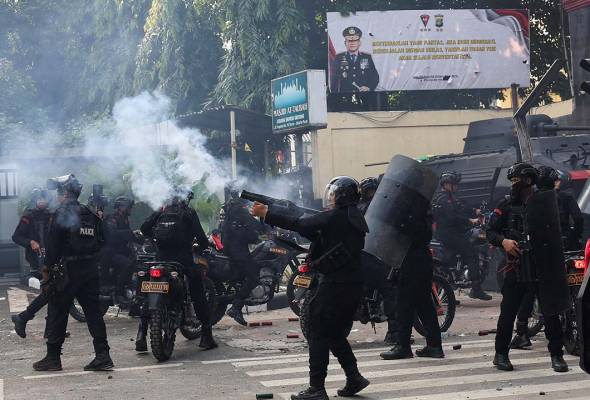
Bandung, Indonesia — As nationwide protests in Indonesia intensify, security forces fired tear gas and rubber bullets near two major universities in Bandung Islamic University of Bandung (UNISBA) and Pasundan University marking an escalation that has spotlit rising tensions between demonstrators and authorities.
The protests, which began in Jakarta just over a week ago, were initially spurred by public outrage over generous housing allowances granted to legislators amounting to 50 million rupiah per month, nearly ten times Jakarta’s minimum wage amid widespread economic hardship. That outrage widened when a motorcycle taxi driver was fatally struck by a police vehicle during a rally, prompting protests to spread across the nation.
On September 2, law enforcement deployed tear gas and, in some cases, rubber bullets near the campuses in Bandung. Authorities insisted they were targeting non-student protesters who had taken refuge inside university grounds, not the students themselves. The rector of UNISBA echoed this, explaining that the campus also served as a makeshift medical center for injured demonstrators.
Despite official statements, student groups sharply criticized the forceful crackdown. According to the UNISBA student body, security forces “brutally attacked” campus areas, resulting in breathing difficulties and other injuries among students due to the tear gas. One student was reportedly hit by rubber bullets.
As tensions escalate, the human toll continues to rise: at least eight people have died in the protests since last week. A senior government minister confirmed the fatalities. COVID‑19‑like restrictions have not applied; instead, a mixture of student activists, labor unions, and ordinary citizens are voicing their discontent across 32 of Indonesia’s 38 provinces.
Student voices have resurfaced as a powerful force in Indonesian sociopolitical life recalling their central role in the 1998 movement that led to the downfall of President Suharto. Many see this moment as another pivotal moment for democratic expression.
President Prabowo Subianto, a former Suharto-era military figure now leading the country, has urged a firm response to violent unrest. His administration has taken steps such as cutting MPs’ perks and suspending their overseas travel, but critics say substantive reforms and dialogue are lacking.
Human rights organizations and international bodies have strongly condemned the security response. Meenakshi Ganguly, deputy Asia director for Human Rights Watch, criticized authorities for treating protestors as criminals. The UN’s human rights office called for a full, transparent investigation into alleged rights violations, including use of force.
The Lokataru Foundation, a legal aid group, added to the controversy when its director, Delpedro Marhaen, was arrested on charges of inciting a riot. Lokataru argues the arrest was unlawful, calling it part of a broader pattern of silencing dissent.
Social media has turned into a digital protest platform, with the hashtag #ResetIndonesia gaining traction. Many Indonesians have colored their profile pictures pink and green in solidarity, reflecting broad-based demands beyond student activism targeting corruption, inequality, labor rights, and democratic reforms.
This confrontation between protesters and police at university gates is emblematic of a political inflection point. Indonesia’s growth narrative, championed by the Prabowo administration, faces its most severe test yet from public sentiment and organized labor to the corridors of academia.
As the situation evolves, the need for meaningful dialogue, transparent investigation, and measured use of force becomes more pressing. With campuses transformed into protest hubs, Indonesia’s young generation appears poised to shape the country’s democratic trajectory just as they did in the past.