
Posted on March 16, 2026
A tragic fire at the SCB Medical College and Hospital in Cuttack, Odisha, claimed the lives of at least ten patients on March 16, 2026. The blaze broke out in the trauma care intensive care unit (ICU) during the early hours of the morning, creating panic among patients, hospital staff, and attendants. The incident has raised serious concerns about fire safety measures in hospitals across the state.
According to preliminary reports, the fire started around 2:59 a.m. in the trauma care ICU of the hospital. At the time of the incident, approximately 23 critically ill patients were admitted to the unit, many of whom were on ventilators or oxygen support. The sudden outbreak of flames and thick smoke quickly spread through the ward, making evacuation extremely difficult for both patients and medical staff.
Initial investigations suggest that the blaze may have been caused by an electrical short circuit, possibly linked to the ICU’s air-conditioning system or medical equipment. However, authorities have stated that the exact cause of the fire will be determined after a detailed investigation.
Casualties and Injuries
The tragic incident resulted in the deaths of 10 patients, most of whom were in critical condition. Reports indicate that seven patients died inside the ICU due to the flames and heavy smoke. The remaining three patients died later after inhaling toxic smoke during or after the evacuation process.
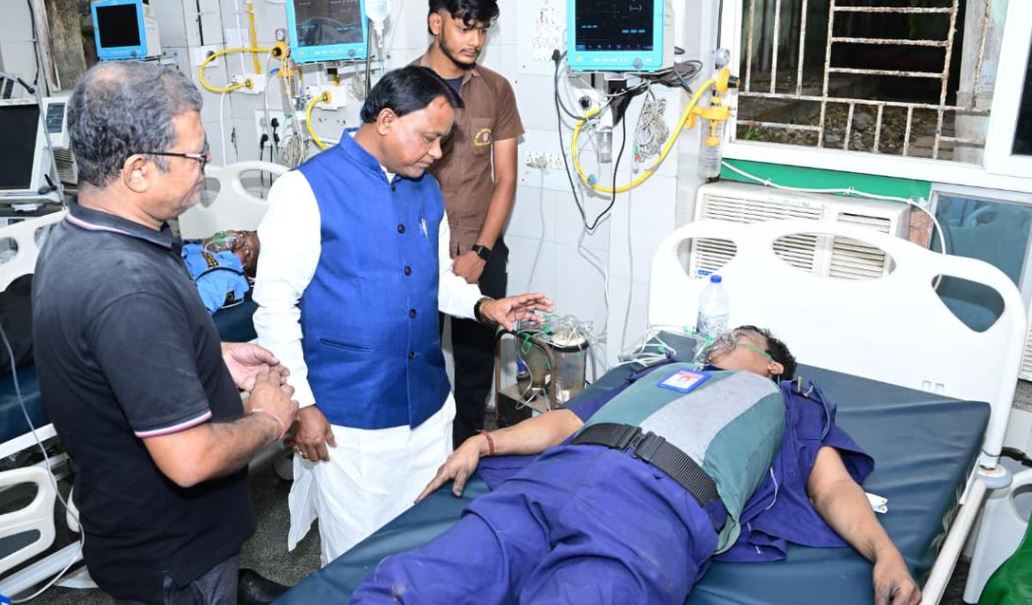
In addition to the fatalities, at least 11 hospital staff members suffered injuries while attempting to rescue and evacuate patients from the affected ward. Many of these staff members risked their lives to move critically ill patients to safer locations within the hospital. Some injured staff members were later admitted for treatment.
Emergency Response and Rescue Operations
Once the fire was reported, emergency response teams quickly reached the hospital. Fire brigade personnel from nearby stations rushed to the scene, deploying multiple fire engines and rescue teams. Hospital staff, attendants, and emergency workers worked together to shift patients from the ICU to other wards in the hospital.
Despite the quick response, the rescue operation was challenging because of dense smoke filling the ward. Patients connected to life-support systems could not be moved easily, which further complicated the evacuation efforts. It reportedly took several hours for firefighters to bring the blaze under control and ensure the safety of the rest of the hospital building.
Government Response and Compensation
Following the incident, Mohan Charan Majhi, the Chief Minister of Odisha, visited the hospital to assess the situation and meet with the affected families. He described the tragedy as extremely unfortunate and assured that the government would provide full support to the victims and their families.
The state government announced an ex-gratia compensation of ₹25 lakh for the families of each deceased patient. The Chief Minister also directed officials to ensure proper medical treatment for the injured patients and hospital staff.
Additionally, the government ordered a judicial inquiry to determine the exact cause of the fire and identify any lapses in safety protocols. Authorities have stated that strict action will be taken if negligence or violations of safety standards are found during the investigation.
National Leaders Express Condolences
The tragic hospital fire triggered reactions from several national leaders. Narendra Modi, the Prime Minister of India, expressed grief over the loss of lives and announced financial assistance from the Prime Minister’s National Relief Fund for the victims’ families.
Political leaders and public figures across the country also conveyed their condolences and called for stronger safety measures in healthcare institutions.
Concerns Over Hospital Safety
The SCB hospital fire has once again highlighted the importance of robust fire safety systems in hospitals. Experts and public representatives have urged authorities to strengthen electrical safety inspections, emergency evacuation protocols, and fire prevention systems in medical facilities.
Healthcare facilities often house patients who are critically ill and dependent on life-support equipment, making them especially vulnerable during emergencies. Ensuring regular maintenance of electrical systems, installation of modern fire detection equipment, and staff training in emergency evacuation procedures are essential steps to prevent such tragedies.
Conclusion
The devastating fire at SCB Medical College and Hospital in Cuttack stands as a heartbreaking reminder of the risks associated with inadequate safety infrastructure in healthcare facilities. With ten lives lost and several people injured, the incident has deeply shaken the community and sparked nationwide concern.
As investigations continue, authorities and healthcare administrators are expected to review existing safety protocols and implement stronger preventive measures. The hope is that lessons from this tragedy will lead to improved safety standards in hospitals, ensuring that such incidents never occur again.