
Posted on April 11, 2026
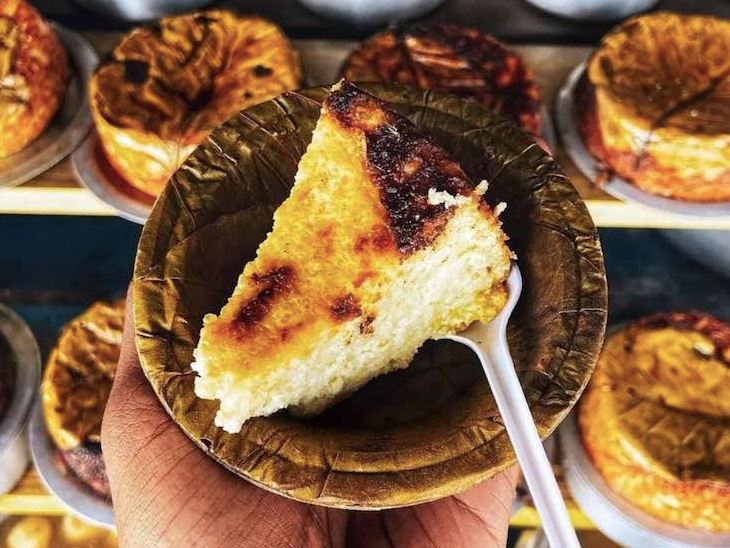
There’s no other dessert on this earth that embodies the nostalgic charm and cultural richness of Chena Poda. The exquisite and simple beauty of this “burnt cheesecake,” found in the kitchens of Odisha, has captured the hearts of people everywhere. World Chena Poda Day is a celebration of more than just a dessert; it’s an acknowledgement of the history of food and the ongoing enjoyment found in the simple pleasures of delicious and soulful foods.
Chhena Poda, which literally means “burnt cheese,” began its life in Odisha, India. Its legend is just as charming as its flavour. According to various stories about how it was created from common ingredients, Chena Poda was accidentally created by a sweet maker who had left sweetened chhena (cottage cheese) in an insufficiently cooled oven overnight. In the morning, he discovered that be had transformed into a rich, chocolate flavour with a crusty top and could only be eaten from inside out. A mistake was transformed into a masterpiece and is now passed down through generations.
This is why World Chena Poda day was created to give recognition to Chena Poda as a distinguished product and also bring to light its significance within the Odia culture as well as the love for Chena Poda from families, foodies and chefs alike. There is a sense of common affinity among family and friends to enjoy this dessert that brings families together and creates aroma, flavour and community in the home. They also provide a time for reflection on how traditional recipes connect people to their place of origin and maintain flavours that have been passed down through generations.
Chhena Poda is also different from other desserts because of its simplicity. Chhena poda is made with only four ingredients: chhena, sugar, semolina, and cardamom and does not require complex techniques or expensive ingredients to prepare; however, it is in the way that Chena Poda is traditionally prepared by slow baking it which allows for the formation of its signature smoky aroma and caramelisation of its flavour. This philosophy of simplicity in preparing Chhena Poda illustrates a broader cultural philosophy that emphasises that great taste does not require complexity; it requires only time, care, and patience.
In addition to being a simple dessert, Chena Poda represents the identity of Odisha. Chena Poda is traditionally enjoyed during festivals, gatherings of families, or on special occasions and represents warm hospitality and a place of safety to everyone who consumes it. Furthermore, Chena Poda is usually associated with an individual’s childhood experiences in their home and with their extended family and includes fond memories of celebrations with family and friends, visits to the local sweet shop, and the companionship and support of loved ones. The observance of World Chena Poda Day creates the opportunity for individuals to revive these fond memories and to show others how to connect to their cultural roots.
Recently, social media and global culinary networks have created more awareness of this occasion. Chefs and home cooks alike have found creative ways to incorporate new ingredients like chocolate, dried fruits, or fusion flavors into traditional recipes while maintaining the authenticity of the base recipe. The combination of tradition and innovation will continue to allow for the growth of chhena poda.
World chhena poda day is also an important part of showcasing regional food culture on a larger level. In a globalized food environment filled with mass-produced non-traditional desserts from many countries, World Chena Poda Day is a way to show that there are many rich and diverse culinary traditions around the world that celebrate their heritage.
The significance of World Chhena Poda Day extends beyond just enjoyment of dessert; it tells a story of the creation of a sweet from a fortuitous accident to one that embodies cultural heritage and pride. It brings together people to enjoy and commemorate common experiences through tastes and traditions. Most importantly, it is an opportunity to appreciate something simple and beautiful that has a long and deep connection to history.
When celebrating this event please take the time to enjoy the dessert as well as everything that it represents.