
Posted on July 2, 2026
A public health advisory has been issued by the U.S. Centers for Disease Control and Prevention (CDC) owing to the fact that the season of West Nile virus of 2026 is beginning quite prematurely and aggressively. The authorities are advising people in the country to protect themselves from mosquito bites as there are more infections than usual being reported at this stage of the year.
As per CDC, the virus has already been found in a number of states, where a few fatalities have been reported along with several other serious cases. According to the experts, the early outbreak serves as an indication of the threat posed by the diseases caused by mosquitoes during warm weather months.
West Nile Virus Cases Rise Earlier Than Expected
According to CDC, there were at least 48 cases of West Nile virus infection confirmed in the US by June 30, among which 38 were serious infections. This can be called the most powerful start of the season in at least 20 years.
Normally, no more than 10 cases are reported all over the country by the end of June. The unusual rise in the number of infections has caused health organizations to step up their efforts to monitor the spread of the disease and advise the population to take protective measures ahead of mosquito season.
This year, the virus was discovered in 23 states, which is the largest early season spread ever recorded in the last ten years.
Arizona Reports the Highest Number of Cases
Arizona has come up as the most affected state in the early stages of the disease. The Arizona Department of Health Services has identified 32 cases of infection, out of which 29 cases were found in Maricopa County, which includes the Phoenix metro area.
Four deaths due to West Nile virus have also been reported in the same region. Mosquito surveillance is being increased and control efforts are being stepped up, while people are being advised to remove standing water sources near their houses.
Continued public awareness will prove to be very important in keeping the disease from spreading further.
How West Nile Virus Spreads
WNV is mostly spread via bites from mosquitoes that are already infected. The mosquitoes become infected by feeding on birds, which act as natural hosts for the virus.
Humans and other mammals are regarded as accidental hosts; this means that the virus is rarely transferred from one individual to another.
The mosquitoes that spread WNV are active during dawn and dusk times of the day. However, infection can be experienced anytime if the mosquito population is high.
Symptoms of West Nile Virus Infection
The majority of people who are infected by the West Nile virus never experience any symptoms. It is reported by experts that up to 80 percent of infected people are symptom-free. Nevertheless, about 20 percent of infected people experience mild flu symptoms that disappear without any treatment after a couple of days or weeks.
Some of the typical symptoms are fever, headaches, body pain, tiredness, skin rash, nausea, vomiting, and diarrhea. The above mentioned symptoms are mild, but sometimes the disease can become severe.
It is possible for the virus to influence the brain and nerves of an organism causing the illnesses like meningitis and encephalitis. Symptoms of the illness include high fever, very bad headaches, neck stiffness, confusion, muscle weakness, tremors, paralysis, convulsions, coma, and even death. Old age, 60 years and older and other illnesses are the risk factors for the infection to become very dangerous.
CDC Urges People to Take Preventive Measures
Since there is currently no available vaccine nor any particular antiviral therapy for West Nile virus infection in humans, the CDC underscores the importance of preventing mosquito bites to remain safe.
In terms of prevention, health care professionals advise the use of EPA-registered repellents containing ingredients such as DEET, picaridin, IR3535, and oil of lemon eucalyptus when spending time outside. In addition, wearing long sleeves, long pants, and socks can also help to prevent mosquito bites. Outdoor activities should be minimized at dawn and dusk when the virus-carrying mosquitoes are most likely active.
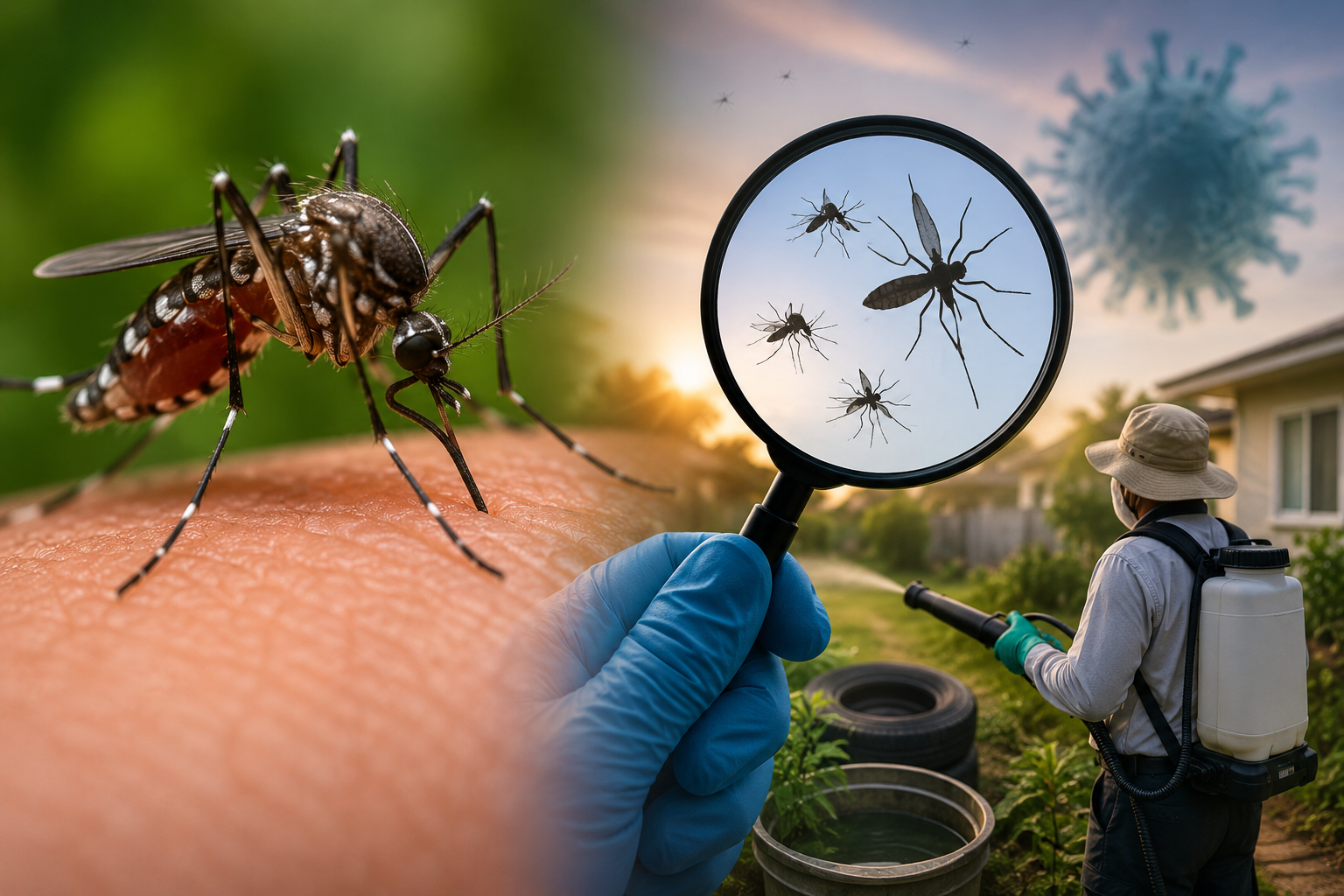
Moreover, CDC also suggests that people around their residences should eliminate any sources of standing water where mosquitoes lay their eggs since these insects breed in any amount of stagnant water. This can be accomplished by regularly emptying various items including flower pots, birdbaths, buckets, old tires, gutters, pet water dishes, and other types of water-holding containers.
It is especially important for this year because it was suggested that an early rise of cases can be particularly dangerous considering the fact that mosquitoes’ activity is expected to peak in July and August.
Conclusion
With early warnings from the CDC stressing the importance of considering the dangers of mosquito-borne diseases, the year 2026 season of West Nile virus has begun in a very impressive manner. Even though most infections are mild, some serious infections may lead to dangerous illnesses like neuroinvasive diseases.
Some basic steps, like using insect repellent, dressing appropriately, avoiding bites of mosquitoes during their peak hours, and eliminating stagnant water around the vicinity of your home, can greatly reduce the chances of infection.
Prevention starts with awareness. Take simple steps today to protect yourself from West Nile virus and help spread lifesaving information.