
Posted on September 7, 2026
The US-Iran War is still leading to major instability in the Middle East region following increased military activity by Israel against Hezbollah targets in Lebanon. According to sources from Lebanese authorities and international news outlets, air strikes in southern Lebanon on September 7 resulted in the death of civilians and even medical professionals. This recent attack raises fears of another extension of the regional conflict despite previous diplomatic attempts and the ceasefire reached between Israel and Hezbollah.
This new development occurs at an important point in time in the Middle East region. Indeed, the continuous war between the two nations – US and Iran – has influenced the region in terms of security, energy, and international diplomacy. Meanwhile, constant fighting between Israel and Hezbollah makes it more challenging to achieve stability through the current ceasefire in Lebanon. This poses another challenge for U.S. President Donald Trump who has previously tried to avoid any escalation and pursue diplomatic goals in Iran.
Israel-Hezbollah Tensions Intensify in Lebanon
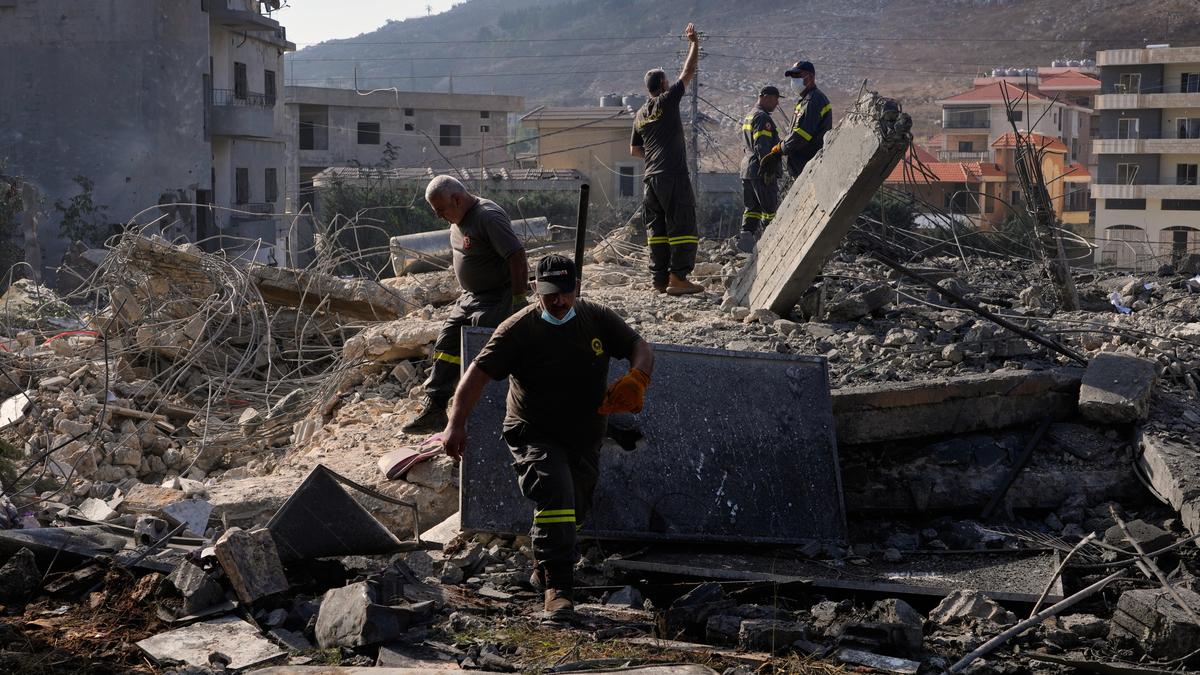
New attacks by Israeli forces in Southern Lebanon took place on September 7, when one of the major attacks took place in Kfar Rumman. Reuters reported that there were at least 11 people killed in the attack – two children and two medics. Other sources reported that the number of those killed in this attack was lower. In the attack a residential house and a civilian car were attacked. Israeli military operations are justified by attacks by Hezbollah.
The new events demonstrate the vulnerability of the recent agreement for ceasefire which was signed earlier this year. Even though the agreement was expected to decrease the level of attacks, military operations of Israeli military forces as well as attacks by Hezbollah continue to take place. This problem became linked to the issues of disarmament of Hezbollah, Israeli military presence in Southern Lebanon and the role of Lebanese Army.
One of the main concerns is the Ali al-Taher ridge in Southern Lebanon which is of strategic importance due to its military characteristics and ties with the underground infrastructure of Hezbollah. Israel attempts to control strategic locations, while Hezbollah opposes the plan which requires full disarmament of Hezbollah.
The US-Iran War has increased the complexity even further since Hezbollah is closely associated with Iran. This has raised concerns that Iran could retaliate if Hezbollah or Lebanon were attacked. The escalation now follows warnings from President Trump to Israeli Prime Minister Benjamin Netanyahu about Israeli military action that could jeopardize efforts to contain the crisis.
As reported before, there have been instances where Trump tried to restrain Israeli military response so that negotiations with Iran may become easier in the future.
Trump Faces Pressure as Regional Conflict Spreads
The latest events raise serious problems for the Trump administration. While supporting Israel’s security interests, Washington has been trying to keep the Middle East crisis under control and not transform it into an out-of-control regional war. With the continuing violence in Lebanon, this becomes increasingly complicated.
The US-Iran War has already started showing its effects beyond the frontline. Shipping routes and energy supplies are being affected by tensions, leading to oil price increases, while the threat of disruption in the Strait of Hormuz creates questions regarding global energy security. In early September, Brent crude remained close to six-week highs due to U.S.-Iran tensions and tanker activity in the region.
Iran has also announced additional retaliatory measures against the United States’ military moves. Iran plans to declare a restricted maritime zone in the Persian Gulf and to create an alternative international shipping lane via the Strait of Hormuz. Even a prolonged blockage of one of the most vital oil transport routes can lead to price rises and higher levels of inflation.
But for Lebanon, the main issue remains the effect of Israeli strikes on humanitarian and security issues. Further displacement and destruction of civilian infrastructure, in a situation where the negotiations could not result in peace, are highly possible.
This puts the Israeli government of Netanyahu in a tricky situation. While Israel claims that it needs military action in order to defend itself against any further attacks by Hezbollah, Hezbollah itself is refusing to disarm. In addition, it continues to oppose Israeli military actions in southern Lebanon.
Coming days will be crucial. Any retaliatory action by Hezbollah, further Israeli strikes or even direct intervention from Iran can easily transform the conflict into something entirely different. For international mediators, the most urgent goal is probably to prevent the Lebanon front from becoming yet another battlefield in the larger conflict involving Iran, Israel and the United States.
Conclusion
The recent military attacks of Israel in Lebanon show how volatile the regional security environment currently is. The ongoing clashes between Israel and Hezbollah take place amid the wider confrontation between the US and Iran, posing different threats not only for the region, but also for the world economy. However, despite the fact that diplomacy still has some potential, any further militarization can complicate talks even more and lead to the outbreak of regional war. For the time being, all eyes of the international community are on Lebanon, Iran, Israel and the US as they try to de-escalate tensions.
Keep abreast of the latest events in the Middle East, international security situation and geopolitical news developments.