
Posted on October 23, 2026
The Tibet Earthquake October 2026 has raised serious concerns after a devastating magnitude 7.0 earthquake struck northern Tibet, China, on Thursday night, October 22. The disaster claimed at least 16 lives and injured 76 people, according to figures reported on October 23.
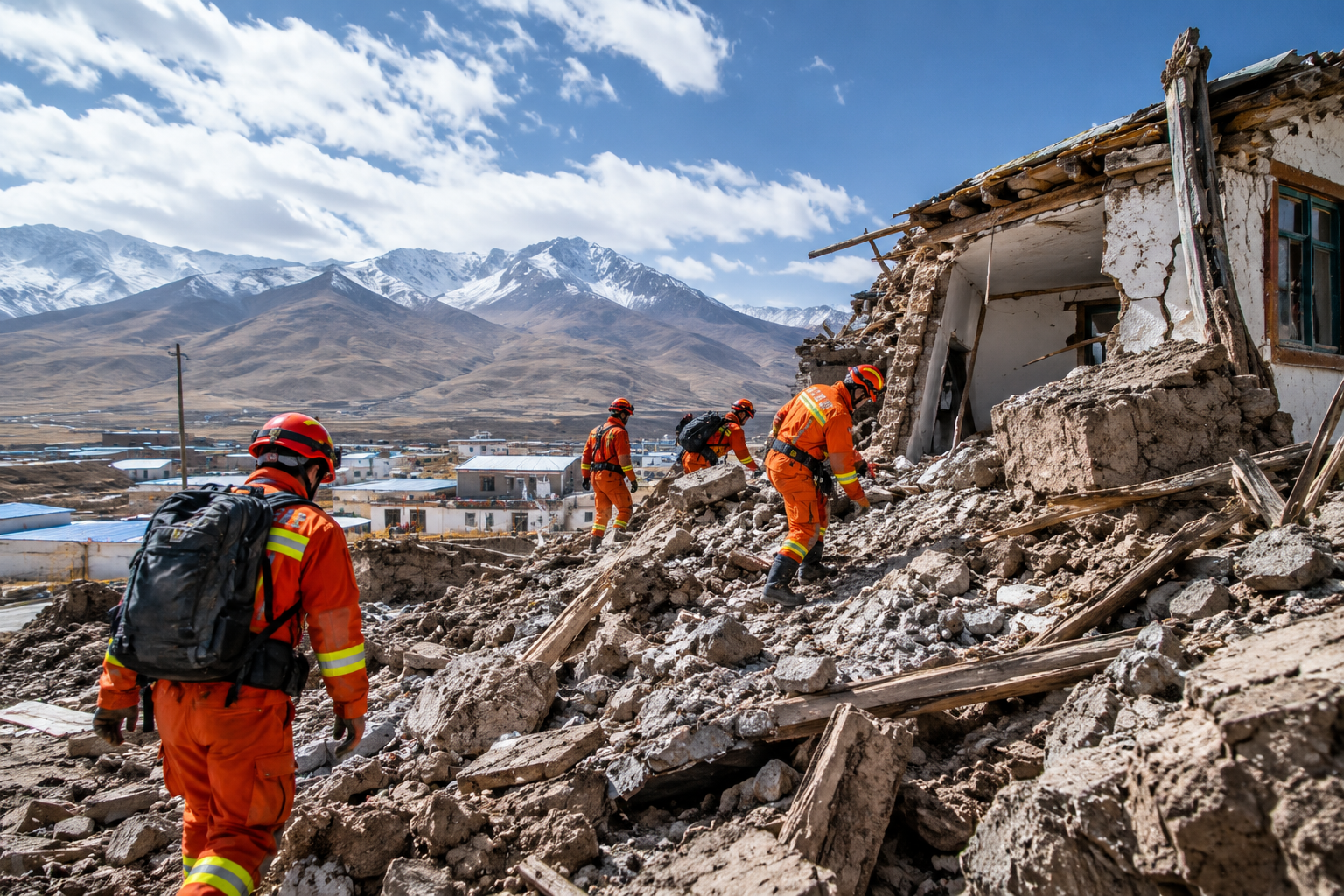
The quake has destroyed many residential areas, and the survivors need urgent help. The earthquake hit Baqen County in the region of Nagqu around 10:33 p.m. (local time). The shallow quake together with the hilly nature of the region has made rescue missions difficult.
Efforts are being made by the emergency staff members to locate the safer spots for the survivors, assess the damaged buildings, and give aid to them.
Tibet Earthquake: Location and Damage
The earthquake took place in an isolated, high altitude location in Nagqu, northern part of Tibet. The China Earthquake Networks Center reported the magnitude of the earthquake at 7.0 and the location of the epicenter in Baqen County, which is located at a depth of about 10 kilometers.
The shaking of the earth led to destruction of homes as well as damages to other structures within the surrounding settlements. Reports indicate that at least 339 homes were collapsed in addition to livestock housing and other infrastructure.
People quickly evacuated outside their homes in response to the earth tremors. This sudden event led to concerns over the availability and security of necessities.
The geographical location makes it difficult to carry out rescue activities. Rescue teams have to cover difficult terrains to reach the villages and deliver basic necessities.
Inspection of collapsed buildings is being carried out to detect buildings that may collapse if tremors continue. People are advised not to enter their buildings until officials authorize that.
The earthquake brings attention to the earthquake hazard in the Tibetan plateau due to movement of the tectonic plates. Strong earthquake tremors in this area lead to damage of houses, road communication, and other infrastructure.
Rescue Operations and Aftershock Risks
Rescue missions have been undertaken in the affected areas in order to rescue the injured individuals and provide assistance to those families which cannot be brought back to their respective homes safely. The local administration has been making arrangements for temporary sheltering and providing necessary items such as tents, beds, warm clothing, and others.
The number of deaths was reported to be 16 in the report dated October 23, whereas the figure of injured individuals was reported to be 76. Further assessment is being carried out by the concerned officials, and the figures might undergo changes with more information becoming available.
The aftershocks are yet another danger to take into account. It has been reported that there were over 400 aftershocks after the occurrence of the earthquake.
There is advice to residents to keep off hazardous buildings and follow local guidelines for safety. Rescuers will have to examine roads, assess infrastructure, and help provide medical assistance and temporary housing.
The challenging environment and freezing temperatures increase the pressure on emergency response teams. Communication and distribution of relief material will be critical in reaching out to isolated families.
The residents should always listen for guidance and not try to retrieve anything from their property until all necessary safety measures have been made.
Why Earthquake Preparedness Matters
Preparation is critical in the face of earthquakes or any other form of natural disasters. Although it is not possible to know precisely when or where such disasters will occur, proper precautions can minimize injury and save lives.
It is recommended that families determine the safest areas in their house, bolt down any heavy furniture, and store emergency materials in one easy-to-access place. The emergency kit should contain drinking water, non-perishable food, first-aid kit, flashlight, extra batteries, necessary medicines, and copies of important documents.
While at home during an earthquake, individuals should Drop to the ground, Get under something, and Hold onto it until the tremors stop.
Individuals outside must get clear of any structures such as buildings and electricity power lines among other things. Once the ground stops shaking, one needs to check whether he or she has been injured and be on the lookout for after shockers.
In addition, the government and local community can make themselves ready for an earthquake by ensuring that they practice better construction techniques and drills for emergencies. Warning systems can help them become more prepared.
Final Thoughts
The Tibet Earthquake October 2026 has left communities in Nagqu facing significant losses and uncertainty due to damaged buildings and continuing aftershocks. The rescue teams have to focus on assisting the injured individuals, strengthening buildings that are considered to be unsafe and giving people a shelter.
During the process of recovery, the main thing which is really important is to get some information concerning the disaster. This particular disaster helps understand the significance of the infrastructure, preparedness of the community and assistance in the event of such a disastrous earthquake.
Get all the breaking news and important information in the world.