
Posted on April 10, 2026
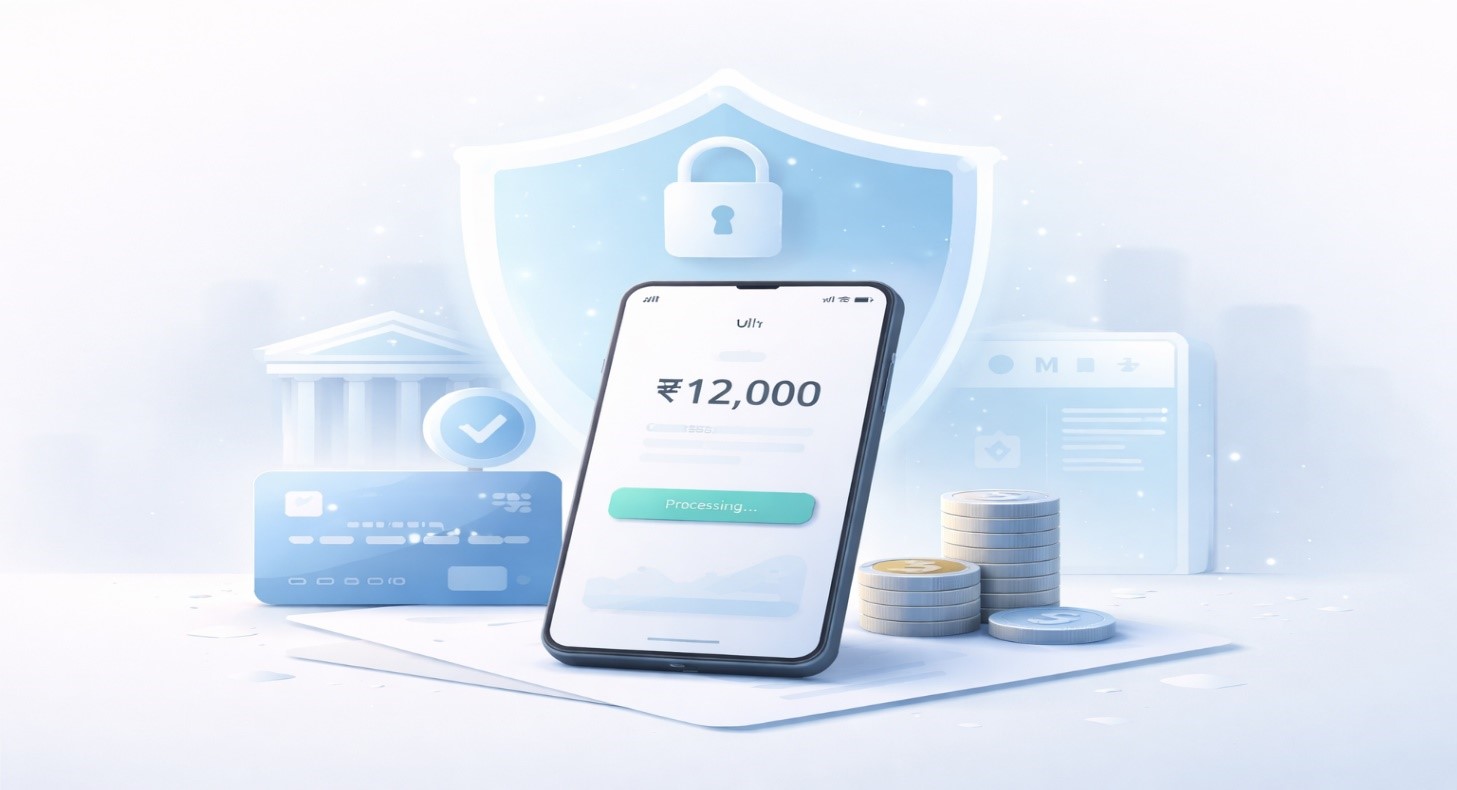
The Indian digital payment system has seen tremendous growth in the last few years due to the ease and use of online banking facilities offered by banks such as the Reserve Bank of India, UPI (Unified Payments Interface) and Immediate Payment Service. However, while these payment facilities offer easy and swift transactions, there has been an increase in instances of digital frauds due to these transactions. In order to curb the problem, the RBI has put forward an additional requirement where all transactions above ₹10,000 will be subject to an hour delay before being approved.
Such a measure will serve to provide added security in high value digital transactions. The problem with most digital frauds is that the individual unknowingly authorizes these transactions due to undue pressure or trickery. The delay will give them time to reconsider any such dubious transaction.
Technologically, this step implies moving towards “controlled real-time payments.” While instant transfers would remain at the heart of digital banking systems, controlled delays might be beneficial in terms of reaching an optimal level of speed and security. Delayed payments would also offer banks the opportunity to run additional checks, including those based on identifying suspicious transaction patterns or sending notifications to customers.
From the user’s perspective, this decision might come as somewhat inconvenient because one of the primary benefits of using UPI and IMPS was immediate execution. However, from a security standpoint, the potential advantage is apparent – it gives users an opportunity to reconsider their decision if they want and avoid irreversible errors in the face of rapidly advancing cyber risks.
Economic-wise, introducing delays might increase users’ trust and encourage them to keep relying on electronic payment methods. It would be difficult for users to trust an innovation without any concerns about its safety, but a short time lapse can serve as a buffer that will ensure safety while increasing confidence in digital financial operations.
There are consequences for companies and financial organizations. First, the payment service providers may have to upgrade their system to handle slow processing of some types of transactions. Second, customer communications will become essential in order to inform consumers why the transaction takes some time and how this will be good for the customer.
Furthermore, it is suggested that this measure might serve as an example for those countries or regions which also face problems with fraud. While it is true that speed of transactions may decrease due to this policy, one can see a more effective way of dealing with fraudulent activities through technological solutions.
In summary, this RBI’s decision demonstrates once again that convenience should not compromise the users’ protection. Technology can provide more robust solutions and regulations can support it.