
Posted on February 13, 2026
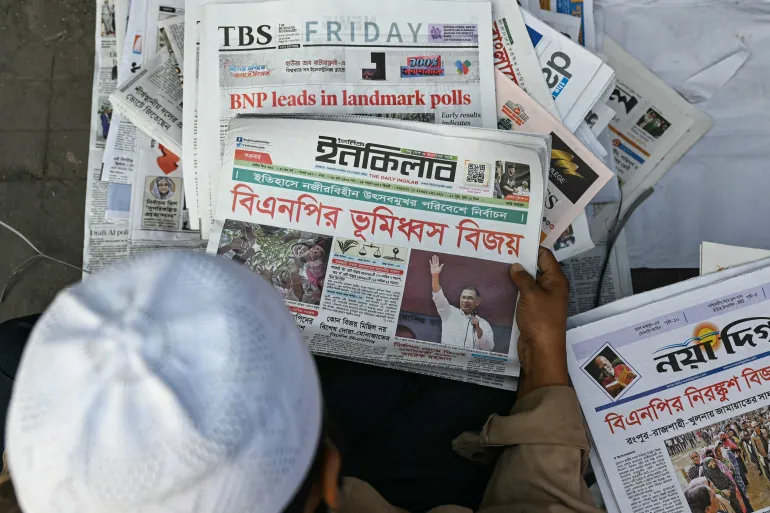
The Bangladeshi public watches as ballot counts continue post-the 13th national parliamentary election. Citizens nationwide show great interest in the future of the nation through enthusiastic participation, both numerically and democratically, as early trends of vote counts start to arrive from the official certifying authorities.
Early projections indicate the Bangladesh Nationalist Party (BNP) is well-positioned in many parts of the country. Party members appear optimistic and are peacefully gathering and celebrating based upon these initial trends; however, the Board of Elections has reiterated that confirmation can only occur after complete vote counting and reconciliation.
National elections in Bangladesh are of paramount importance, as they set the tone for the nation politically, economically and internationally. The paramount importance of the upcoming elections is underscored by the wide variety of issues facing voters, including job creation, economic advancement, inflation, poor governance and securing future stability for the nation. The outcome of the elections will not only influence government policy decisions for the next 5 years, but also help establish the path for success in a rapidly changing global economy and geopolitics.
The developments occurring in Bangladesh after the election are already drawing attention from its neighbors, India and Pakistan. The importance of Bangladesh’s political environment in South Asia is reflected by both countries’ leaders sending congratulations to the candidates. The election results will be more significant than just to Bangladesh because of the other strong ties that exist between it, India, and Pakistan: economic, cultural, and strategic.
In particular, India has a close trading relationship with Bangladesh and cooperates in the areas of energy, infrastructure, and regional security. The outcome of the new government could influence ongoing negotiations between India and Bangladesh and impact a variety of projects already underway. Likewise, Pakistan looks to strengthen its diplomatic relationships according to how the new government approaches foreign policy.
The average citizen’s primary concern, though, is the same set of issues facing all citizens: jobs, cost of living, educational opportunity, healthcare, and national development. All voters want the new government, whichever party is elected, to promote stability in the economy and peace among different groups. Political observers viewed the peaceful and orderly conduct of the elections and counting of ballots as an encouraging sign of democracy’s strength within Bangladesh.
According to political experts, although winning an early lead in an election is critical, the ultimate decision can only come after all votes have been counted/verified correctly. To build/keep the public’s faith in the electoral process, elections must be conducted with transparency and fairness throughout the voting period/time to completion of counting.
Elections in Bangladesh are at a critical point now that all ballots have been cast. The results of this election will determine not only who will be the next Prime Minister and governing party but also what impact they will have on future economic development, international relations, and overall democracy. Citizens continue to watch to see how things play out with great anticipation and hope.