
Posted on September 6, 2025
While expressing annoyance over specific policy choices, U.S. President Donald Trump attempted to defuse the growing diplomatic tensions between Washington and New Delhi by reassuring both nations that their relationship is essentially strong.
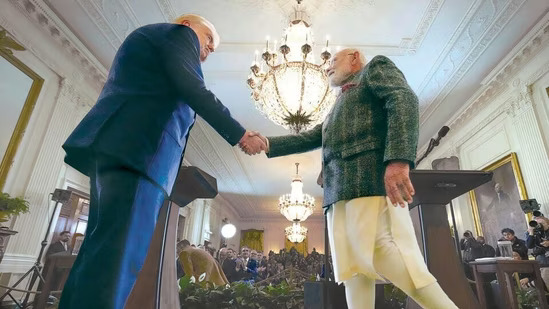
Trump highlighted his personal connection to Indian Prime Minister Narendra Modi in comments made to the press, saying “I will always be a friend of Modi. He is a great prime minister.” He said that there is “nothing to worry about” with the overall state of India. U.S. relations, even if there has been a few disagreements, calling the relationship “very special.”
Despite these urgings, Trump did not mince words when he criticized Modi’s current conduct. He simply stated, “I just don’t like what he’s doing at this point in time,” without providing any details about the particular behaviors he was referring to. It was generally assumed that this was a reference to India’s continuous imports of oil from Russia, which have been highly controversial and infuriating for the US government.
The remarks came after a Trump post on his social media site, Truth Social, where he asserted that the US has “lost India and Russia to deepest darkest China” because the president is concerned about the strategic threat posed by India’s expanding ties to both Beijing and Moscow.
In reaction to those questions, Trump attempted to temper the narrative, reiterating that there is still plenty of opportunity for diplomacy and that discussions with India are still “going great.” He claimed that the larger picture and trade talks with other nations are progressing well.
It was all the more jarring of a contrast when a day later he shifted from alarmism to reassurance calling India “a great friend” and stressing that their bilateral relationship is still “very special” , indicating he is attempting to steady the diplomatic ship after his loud proclamations that caused some raised eyebrows.
Discussion
The Art of Diplomatic Balancing
Trump is a prime example of “tough love” diplomacy because of his propensity to mix sincere friendship with candid criticism at the same time. In an attempt to draw attention to his relationship with Modi, he also puts pressure on him on matters like trade and energy that Trump feels are inimical to US strategic interests.
Core of Trade and Energy Relations
The two main points of contention are Washington’s 50% tariff on many imports and India’s imports of Russian oil. The Biden Administration made it clear that economic activity that benefits an enemy will not be ignored.
Evolving Public Diplomacy:
It’s possible that Trump made a public statement and then released a soft sock version the following day, giving the impression that he was attempting to control public opinion, diplomatic repercussions, and other issues. This may indicate how tenor is now dynamic in the Trump 2.0 era and how rivalry and relationships do not flow together.
India’s Strategic Takeaways:
Maintaining strategic autonomy between Beijing and Washington will be a difficult balancing act for New Delhi, and Trump’s conflicting remarks make it abundantly evident that this tension exists. Although India is a valuable partner, New Delhi must be allowed to follow its own agenda without fear of American criticism when it does not support American interests.
Finally, on September 6, 2025, President Trump conveyed two messages: he welcomed his personal relationship with Narendra Modi and the “specialness” of U.S.-India relations, while also expressing dissatisfaction with India’s current policy options, especially its energy association with Russia, and cautioning that such options were not appropriate for an individual’s environment.