
Posted on May 26, 2026
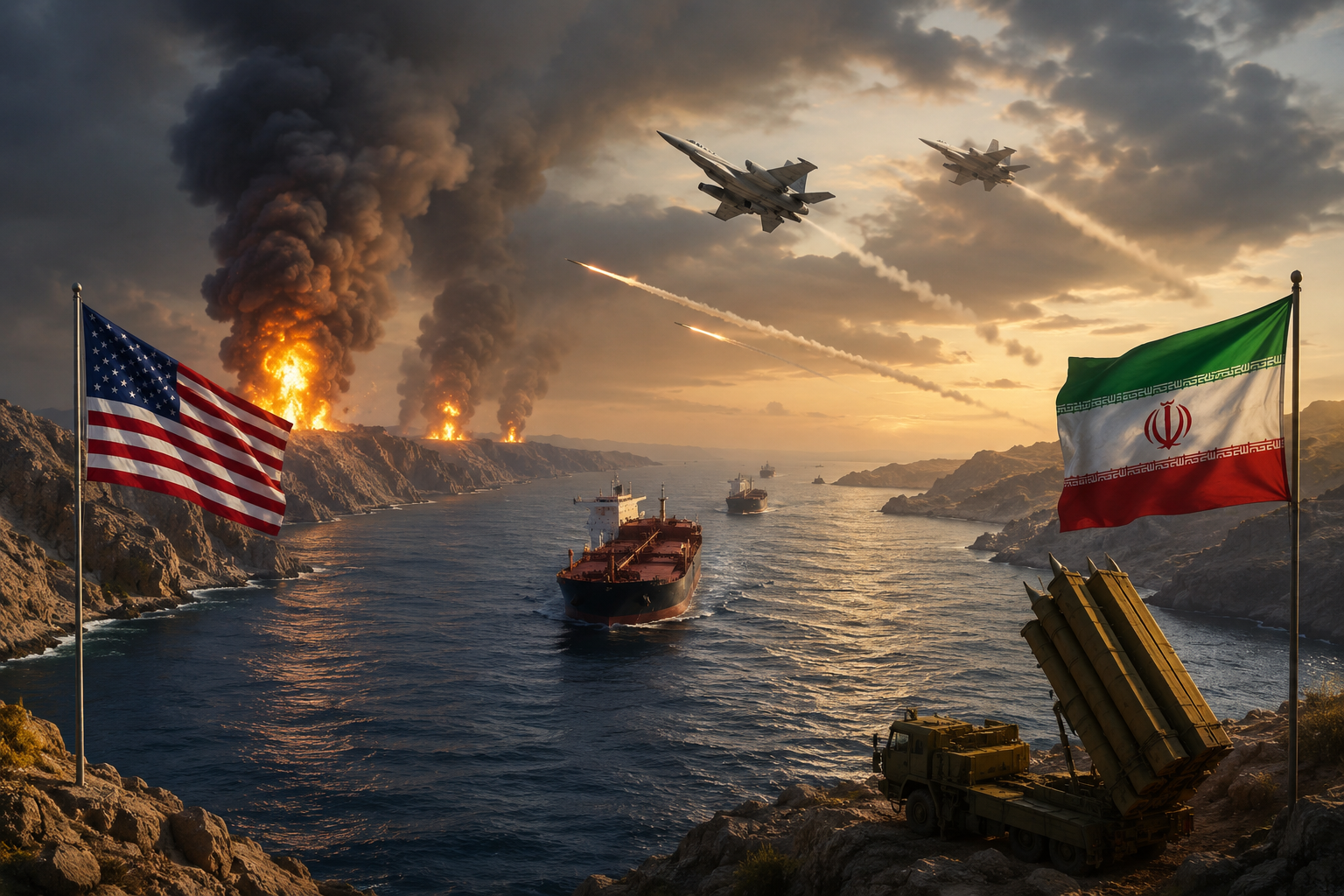
After the United States carried out airstrikes against Iran’s missile stations and its boats allegedly laying mines in the Strait of Hormuz, global focus is now back on the Middle East region. The military action took place close to the Iranian naval base at Bandar Abbas amid the talks being held between Washington and Tehran with an objective to de-escalate regional tension.
It has been revealed that the US military authorities characterized the operation as defensive in nature, aimed at safeguarding the American military personnel and other shipping routes in the Gulf area. According to officials, the Iranian navy boats were set to plant mines into the sea routes in a bid to hamper the movement of merchant ships, oil tankers, and military warships in the Strait of Hormuz.
In this regard, the situation has raised alarm bells right from the beginning, considering the fact that the Strait of Hormuz is one of the vital oil transportation waterways around the globe.
Why the Strait of Hormuz Matters to the World
One of the most strategic areas on earth is the Strait of Hormuz. One in every five barrels of oil transported around the globe travels through this strait, which links the Persian Gulf with international markets. Therefore, any military action in the area may have direct effects on oil prices and world trade.
The international crude oil market responded promptly to news of U.S. air strikes. Analysts agree that even the temporary instability in the area might trigger higher fuel prices across the globe.
Maritime shipping firms that operate in the Gulf are not ignoring the developing conflict either. High levels of tensions usually mean rising insurance premiums and cargo delays.
US Claims Strikes Were Conducted in Self-Defence
According to US Central Command, the missiles struck against the missile launching systems and vessels, which prepared for mining activities on sea. It is notable that American officials insisted that the mission was not broad but rather aimed at eliminating the imminent threat to the security of the sea.
The strike seems to be a part of the ongoing fears held by Washington regarding Iran’s military actions in the Gulf region. Iranian forces have been criticized several times by US authorities for their threat to the commercial shipping routes.
Despite the claims made by American officials regarding their peaceful intentions behind the strike, the tensions between Iran and the US have become even more pronounced.
Peace Negotiations Continue Despite Rising Conflict
It is quite interesting that such military movements are taking place at a time when peace talks between Iran and the US are continuing in Doha, Qatar, through regional mediators. In these diplomatic talks, the topics of sanctions relief, maritime security, and Iran’s nuclear weapons program are being discussed.
This peace process is considered very sensitive since both countries have continued to experience tensions politically and militarily. Though there is some positive development in this process during their past negotiations, the present air strikes show how delicate this process is.
One main issue discussed includes Iran’s enrichment of its uranium supply. Leaders from around the world continue to debate about the management of Iran’s nuclear materials in the event of any new agreement being signed.
Iran Responds with Strong Warnings
According to the media sources in Iran, explosions were reported in the coastal areas located south of the country after the attack. However, at the time being, the government of Iran has yet to give an official report regarding the consequences of the attack.
For years now, the government of Iran has been warning any external force, especially America, to keep off from military operations close to the country because it perceives such activities as threats to the country’s security.
In the light of the above attacks by America, Iran could develop sentiments against America, thus making future diplomatic relations more complicated. Military engagements should be kept to a minimum in order to prevent future escalations.
Global Oil Markets and Trade Routes under Pressure
Tensions in the Strait of Hormuz are raising a number of issues with regard to the global market for energy resources. Many Asian, European, and other countries use oil from this region to power their economies.
The emergence of any form of tension in the Hormuz corridor will elicit a quick response from the global market due to the disruption that will occur within the supply chain. If oil prices increase, it implies that there will be higher transport prices and increased inflation levels.
Unpredictable Future in US-Iran Relations
With the recent attacks by the US, there has been a renewed focus on the balance of military threats and diplomatic negotiations. At present, both nations appear to be striving to ensure that they do not get into war despite their refusal to compromise on certain strategic interests.
It is possible that the coming days will be crucial in determining the fate of current diplomatic negotiations. Successful negotiation could see the hostilities lower down and safer routes through the region. Further acts of military aggression, however, would be enough to halt all progress made so far.
As things stand, the international community will be paying close attention to what happens next in the Strait of Hormuz, which still faces extremely high levels of tension between Iran and the US.
Final Thoughts
The most recent US attacks in the region around the Strait of Hormuz have, yet again, brought into focus the precarious nature of the diplomatic versus military dichotomy in the Middle East.
Stay connected for the latest international news, geopolitical updates, and real-time global conflict coverage shaping world politics, oil markets, and international security.