
Posted on May 21, 2026
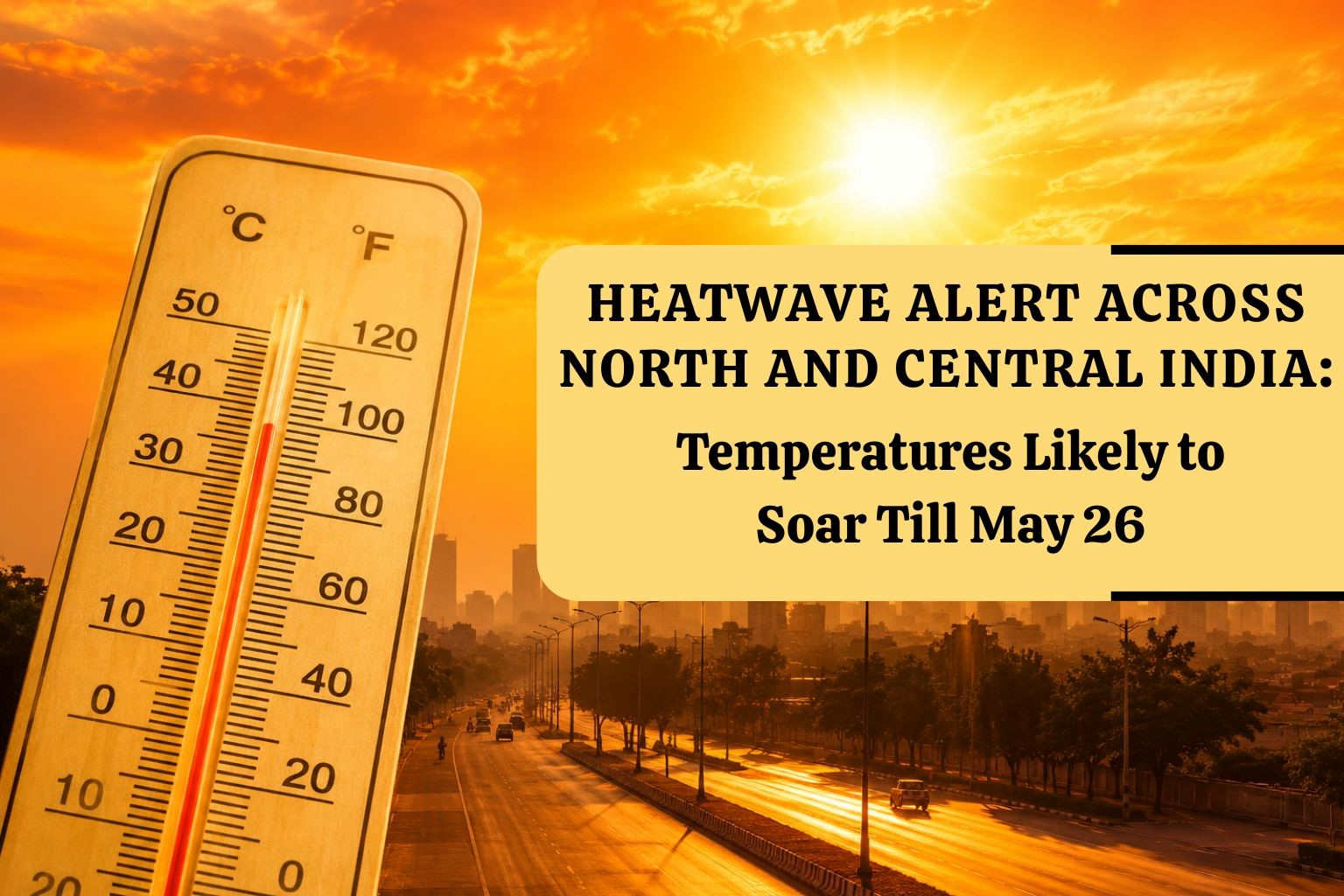
North and central parts of the Indian subcontinent are experiencing another wave of extreme heat due to warnings by the India Meteorological Department about the onset of extremely hot conditions that will prevail until May 26. Various states like Delhi, Rajasthan, Haryana, Punjab, Uttar Pradesh, Odisha, Madhya Pradesh, and parts of Maharashtra are experiencing rapid temperature rises, which are posing threats to health and daily activities.
According to the IMD, various cities are experiencing temperatures of more than 45 degrees Celsius for several days ahead. Certain areas of the Delhi NCR region are experiencing temperatures of nearly 46 degrees Celsius, making it the hottest area in the country at the moment. The IMD has released orange alerts in various areas of the country, warning people to be careful at the time of day.
Delhi among the Worst-Hit Regions
The nation’s capital has seen days that have been very hot, as well as nights that have been unusually warm. Weather observatories in places like Ridge and Mungeshpur have noted temperatures way higher than what is expected for that particular season. The inability of temperatures to fall at night due to a lack of cooling has also made matters worse, particularly for those without access to adequate cooling systems.
Hot and dry winds blowing from the northwestern direction coupled with high temperatures and no rain have contributed to the problem in the northern plains.
Daily Life Disrupted by Rising Temperatures
The prevailing heat wave is having an impact on the whole nation, whether in urban or rural settings. Reduced levels of activity can be observed on roads, markets, and other places, owing to the fact that people tend to remain indoors during the hottest part of the day.
Those employed in the outdoor sector such as construction laborers, traffic police officers, delivery boys, street vendors, and sanitation employees are some of the categories of people who face the threat from hazardous temperatures constantly. Employers and local governments alike are suggesting that these individuals should rest frequently and stay hydrated.
The agricultural sector is also adversely affected by these heat waves. In many states, farmers are changing their working patterns and starting work either in the morning or at night so as to avoid getting exposed to sun rays.
Health Experts Warn Against Heat-Related Illnesses
Citizens have been advised by doctors to immediately take steps to avoid heat problems that can affect their health. These risks include dehydration, heat cramps, heat exhaustion, and potentially deadly heatstroke.
The young, elderly, pregnant women, and those suffering from diseases are especially at risk in case of extreme heat. Hospitals in several cities have already started reporting an increase in cases of dehydration, dizziness, headaches, and lethargy.
Doctors suggest drinking plenty of water even when not thirsty because dehydration can occur rapidly. People are advised to intake electrolyte-filled drinks and dress in light cotton clothing. It is also suggested to stay indoors in the afternoon due to the scorching temperature outside.
Electricity Demand Reaches Record Levels
Moreover, the harsh heatwave has impacted the country’s energy sector significantly. With the majority of households dependent on air conditioning, coolers, and fans, there has been an unprecedented rise in electricity consumption throughout various states.
As per experts in the energy sector, the continuous rise in temperature could cause power consumption to soar further in the following days. A number of regions are currently experiencing unprecedented demand for electricity during the late-evening hours due to individuals cooling off their homes.
Additionally, worries about water scarcity are rising in certain areas due to increased consumption and reduced reservoir levels. Water supply has even been restricted in a couple of cities by local authorities.
Governments and Authorities Issue Safety Measures
The state government and local administrations are adopting a preemptive approach to mitigate the effects of the heat wave. Drinking water facilities will be established in crowded places, improved emergency medical assistance systems are being developed, and awareness drives are conducted through mass media and local authorities.
States like Rajasthan and Gujarat have altered school timetables and announced extensions of vacation periods for school-going children so that they do not fall victim to the intense heat experienced during the day.
The IMD has recommended that people must stay indoors between noon and late afternoons, wear hats before going out, and keep a lookout for heatstroke symptoms.
Climate Change Concerns Grow Stronger
According to climatologists, rising temperatures in the world are causing India to face increasing numbers of heatwaves. The last few years have seen record-high summer temperatures in India, which have raised concerns regarding their future sustainability in a changing climate.
Climatologists have pointed out that urban centers with dense urban structures, heavy vehicular traffic, and inadequate greenery are more likely to face high temperatures. In light of these circumstances, effective urban planning is increasingly important for Indian cities.
Relief May Take Time
Some variations in the pattern of winds are expected towards the latter half of May, but there does not seem to be any immediate relief for North and Central parts of India. Though southwest monsoons may start their journey towards southern India in the next few weeks, northward areas of India would probably continue suffering from the heat for another couple of days.
As long as the situation persists, the best advice to people is to confine themselves indoors and to stay well-hydrated.
Stay informed about all weather warnings, heatwave alerts, and summer safety tips.