
Posted on June 6, 2026
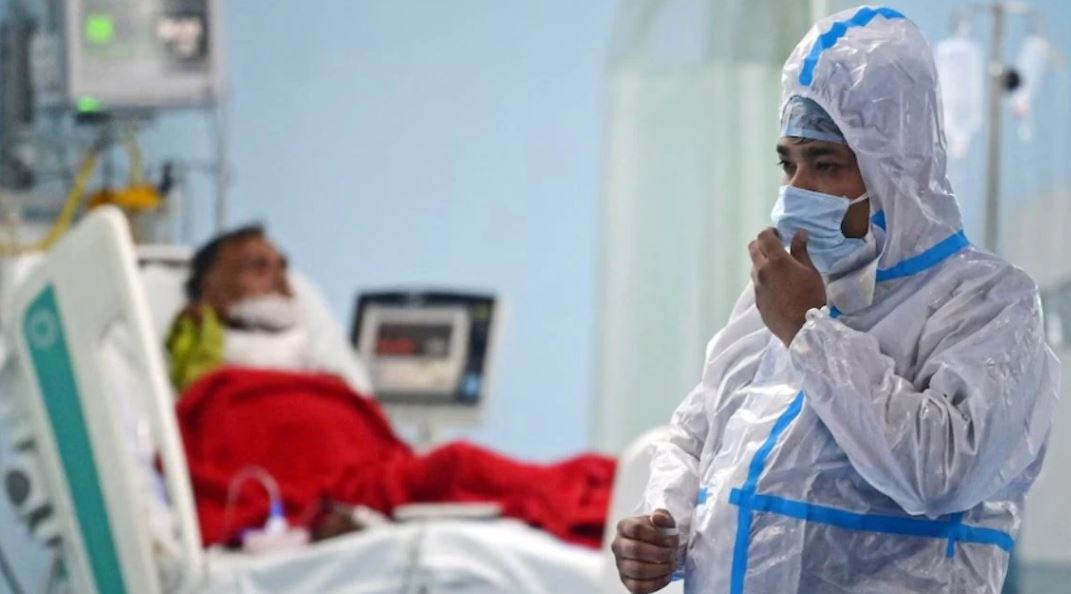
The Jaipur health department is watching closely the case of a Ugandan citizen suspected of having Ebola and who is currently under observation at a designated healthcare facility. Health officials are taking precautions to protect the public although tests to confirm or deny the suspected diagnosis have not been finalized. Officials have stated that there is no need for the public to panic, although everyone should be vigilant.
Ebola is an acute, often fatal viral disease that is found mostly in specific areas of Africa. It is spread through the direct contact with blood or other body fluids of a person infected with Ebola. Commonly seen signs during the early stages of the Ebola virus are feverishness, extreme fatigue, muscle achiness, headache, and sore throat; followed by vomiting, diarrhea, kidney and liver function loss, and in some cases, bleeding from internal or external locations. Early isolation of the patient and their prompt receipt of medical attention are necessary in order to minimize the ability of the disease to spread.
The suspected Ugandan citizen was visiting Jaipur for personal reasons and was displaying symptoms consistent with reports that raised the suspicion of local healthcare providers. Medical providers provided the standard care to this patient that is routinely applied when a person is suspected of being infected with the Ebola virus. This treatment protocol includes isolating the person, performing a thorough medical history, and examining any laboratory tests that were specifically performed for the possible presence of the Ebola virus.
Jaipur’s health authorities have reassured the city’s residents of rigorous safety precautions, including limiting patient access, protective equipment for all healthcare workers and disinfecting any area where a patient may have been in contact.
Currently, health authorities are working on identifying and monitoring all close contacts of the patient and checking for any signs of illness according to international protocols.
The Ministry of Health in India has been notified, and there is ongoing cooperation with international health agencies in assisting with establishing the most appropriate protocols for managing this or any future outbreaks of the Ebola virus.
While there have been minimal numbers of Ebola outbreaks occurring within India, the health department continues to be vigilant and offers its citizens education on the Ebola virus and that it is not transmitted through casual contact, air or water.
The public’s reaction to the incident has varied from worry to curiosity regarding the Ebola virus. Health professionals suggest that all residents should refrain from being alarmed and only believe accurate information from official government sources. Misinformation is common on social media and text message platforms when a person is reported to have contracted a disease, like Ebola, which can unnecessarily increase fear amongst the general population. Residents should continue to follow the health department’s instructions regarding proper hand washing, avoiding any contact with individuals with suspected symptoms of an illness, and reporting any unusual symptoms they may experience.
To summarize, although the current circumstances are regarded as serious, health officials have noted that there exists no immediate risk or widespread threat to general population health. The Ugandan citizen is still under observation and will continue to be for some period of time as staff follows established health care and safety procedures. Residents of Ontario are encouraged to use only identified or verified sources of information in order to stay up-to-date; adhere to established guidelines for safe practices in all areas of life; be vigilant, obtain medical assistance if symptoms develop according to professional direction and cooperate with public health officials to help contain the spread of the Ebola virus.