
Posted on June 9, 2026
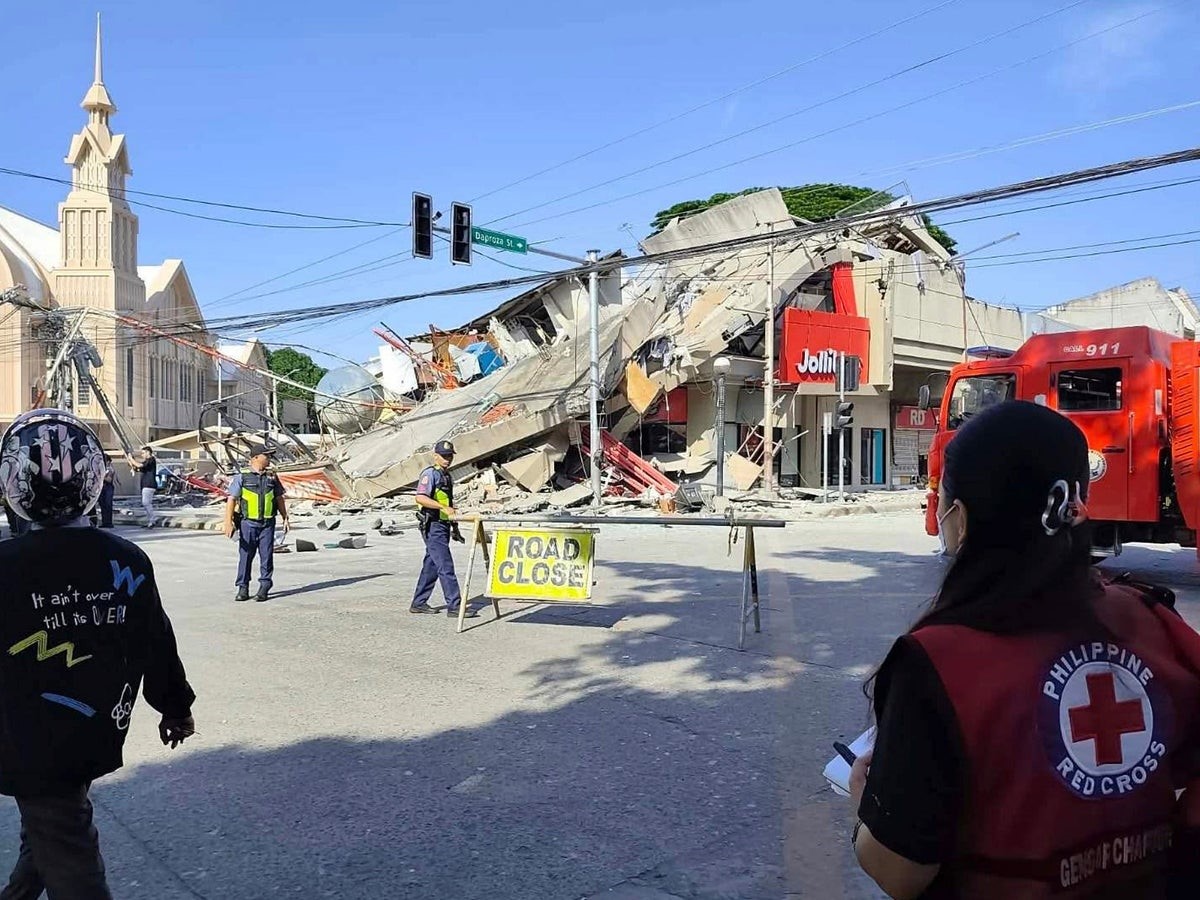
An extremely devastating earthquake in the Southern regions of the Philippines has led to heavy losses of lives counting to hundreds along with disruption of many essential services. Not only has the earthquake damaged houses and other forms of property and disrupted public works, but hospitals had to relocate their patients in makeshift tents outdoors because of the persistent aftershocks that put everyone at risk.
Massive Quake Causes Widespread Damage
The tremors were recorded at 7.8 on the Richter scale and took place close to the southern region of Mindanao. There was significant damage to buildings, infrastructure, and other facilities in many regions across the nation. In some cases, the power supply was cut off, along with the disruption in communications networks. This created problems for conducting rescue missions.
As an aftereffect of this quake, there were landslides in some regions. Many inhabitants lost their homes owing to this and thus had to evacuate from their houses.
Hospitals Move Patients Outdoors
One of the worst outcomes that resulted from the earthquake was the damage to hospitals. Hospitals had cracks and other safety concerns that forced medical workers to move their patients outdoors. Patients needed immediate attention in temporary clinics while officials examined whether the hospitals were safe enough for the occupants.
In fear of further aftershocks, many people did not venture back into their homes and therefore used the outside services of doctors and nurses who continued working despite difficult conditions.
Isolated Communities Face Growing Challenges
The earthquake has affected the transport network significantly and has isolated a number of communities in their inability to receive aid at once due to road blockage or landslides. Therefore, they had difficulties receiving supplies such as food, water, medication, and other necessary items.
A large number of agencies are coordinating with each other to provide relief to the affected area. Nevertheless, there have been problems delivering supplies due to the destruction of infrastructures in particular parts of the affected region.
Search and Rescue Operations Continue
Efforts to rescue the people are on-going through the search process where collapsed buildings have been witnessed. Rescue efforts have involved the use of special equipment in order to trace people who may be trapped under the collapsed buildings. People have been saved alive from such collapsed buildings.
People have been advised against entering collapsed buildings due to the likelihood of further building collapses in the wake of subsequent tremors. Inspections are being carried out at all school premises, government facilities, and commercial buildings before they reopen.
Thousands Displaced Across Southern Philippines
Tens of thousands of people have been rendered homeless due to the quake and are currently residing in makeshift evacuation centers. The residents had to evacuate from their homes at a moment’s notice and carry with them just the basic necessities required to survive.
Among the most affected categories are children and the elderly. Efforts are being made by different relief agencies to ensure that proper medical aid, sanitation facilities, and psycho-social assistance is provided to those affected by the disaster.
The Philippines’ On-going Earthquake Risk
The Philippines is located in an area where there is an active Pacific Ring of Fire. Earthquakes and volcanic eruptions are common because of the movement of tectonic plates under the area. Despite efforts to be ready for any disaster, earthquakes are still considered as hazardous threats.
It is always stressed how important it is to build disaster-resilient infrastructures and how vital it is to conduct campaigns to educate people regarding earthquakes. The recent catastrophe will serve once more as another wake-up call for the necessity of proper disaster response systems.
Final Thoughts
The destruction caused by the earthquake that struck the southern part of the Philippines has made it clear how hard it is for countries to recover after suffering natural disasters. This has come about as a result of several factors such as damaged facilities, interrupted services, lack of access, and displaced people numbering into thousands. However, the efforts being put in place to assist these communities are a clear sign of hope.
Get informed on everything related to disasters, disaster response, and recovery across the globe through our disaster news coverage.