
Posted on October 10, 2026
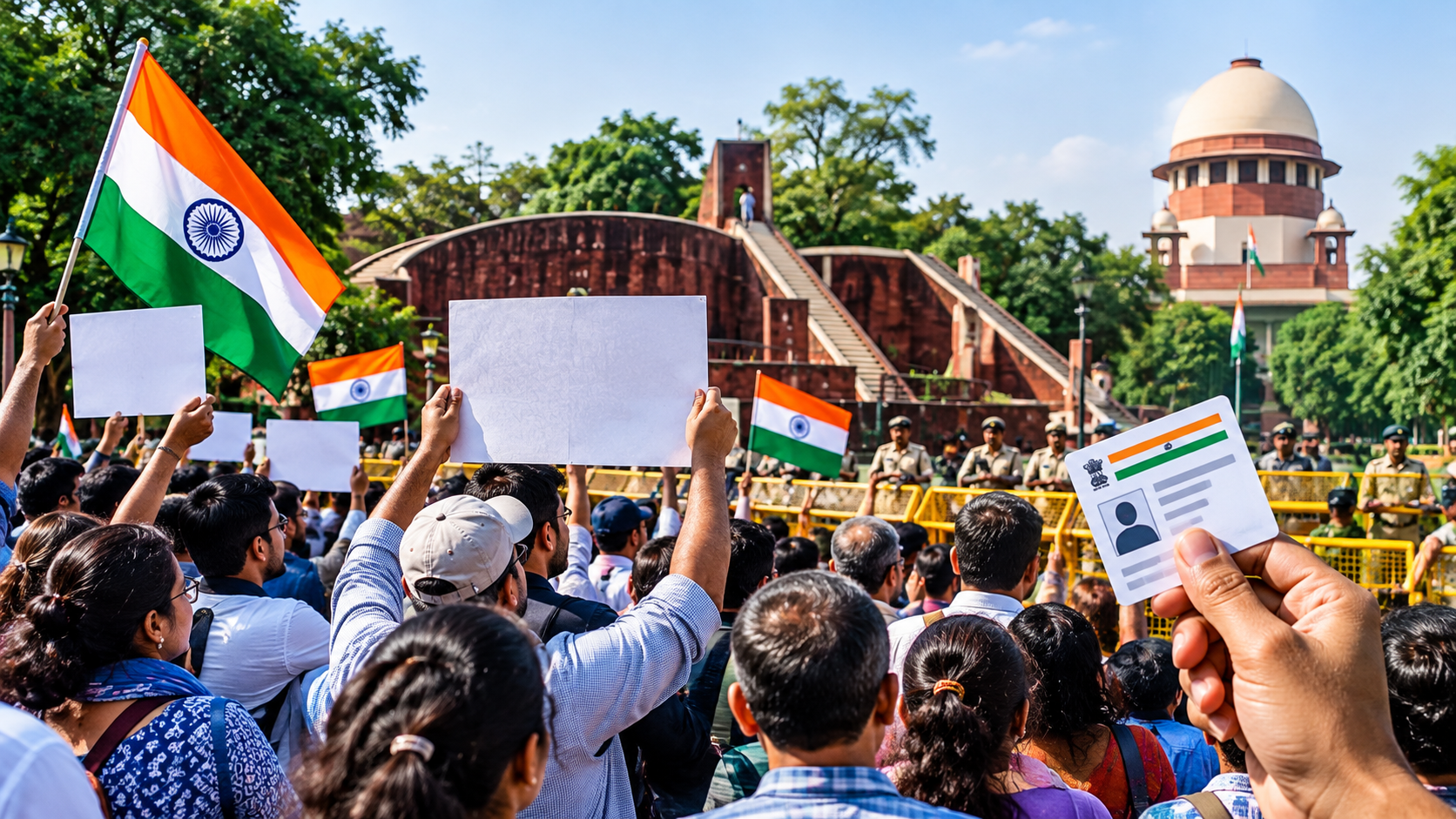
The CJP protest at Jantar Mantar in 2026 has raised concerns about India’s electoral process and the right to peaceful protest. Demonstrators have called for Chief Election Commissioner Gyanesh Kumar to resign over the Special Intensive Revision (SIR) of electoral rolls. The protest has brought voting rights, democratic accountability and electoral transparency into public discussion. Citizens also want the freedom to express political opinions through peaceful demonstrations.
In addition, the planned demonstration in New Delhi raised issues relating to the safety of the general public and restriction placed on the holding of demonstrations. The Delhi Police denied permission to hold the protest citing law and order situation.
Why Is the CJP Protesting Against Gyanesh Kumar?
The main controversy behind this protest revolves around the Special Intensive Revision of electoral rolls. Through this exercise, the Election Commission reviews voter information, verifies eligibility and identifies duplicate or ineligible entries under applicable rules.
Nonetheless, the main criticism of this exercise is that there is a fear that some eligible voters may lose their positions from the electoral rolls in the process of revision. Therefore, there should be a procedure for the correction of errors and challenges of decisions made.
The main claim of the Election Commission is that electoral roll revision aids in making sure that the voter lists are accurate. However, the controversy has deepened the debate surrounding such exercises.
Organizers of the protest have called for Gyanesh Kumar to resign. The demands of the protestors point to the overall perception that the trust of people in the electoral process is contingent on the transparency and grievance redressal process in elections.
The situation is not just limited to a demand for resignation. There are serious issues regarding the communication of decision of the elections authorities and the problems faced by eligible voters in exercising their right to vote.
Delhi Security Restrictions and the Right to Protest
However, the CJP rally at Jantar Mantar also shed light on the security arrangements that were put in place in New Delhi. The police had taken necessary precautions with regard to barricades and deployments that were required to ensure public order and avoid any disruption in the center of Delhi.
While denying permission for the rally on the grounds of public safety, traffic considerations, and directions that apply, the authorities initiated the debate on the delicate issue of ensuring public order in relation to people’s rights.
The debate also received judicial interest. While discussing the security issues, it was necessary to consider security issues in the light of the constitutional rights of the citizens. Public gatherings are essential for dissent and airing of grievances.
News related to the protest has also included police activities and arrests taking place at some of the central areas of Delhi. This is yet another element that has come into the conflict, focusing on the issue of managing the protest and its impact on those attending and moving through Delhi.
The right to assemble does not absolve people from adhering to restrictions imposed by law. However, at the same time, the authorities should consider whether any restrictions are necessary in the given situation.
What Does the SIR Controversy Mean for Indian Democracy?
This protest highlights the importance of reliable electoral rolls and fair election procedures. Accurate voter lists help eligible citizens participate in elections. Effective verification also helps officials identify errors and duplicate registrations.
Revival of the electoral roll should also involve detailed knowledge about the criteria of eligibility, corrections procedure and how to raise objections. Citizens require means of checking their status on voter list and making corrections, if necessary.
Confidence of people is equally significant. Electoral authorities may earn the trust of citizens through clarification of procedures used by them, answers to concerns and consistent application of rules. Allegations in politics should be examined in the light of verifiable facts.
The issue is also an example of the connection between democratic accountability and peaceful protests. In this respect, citizens, political parties and civil society organizations use protests to raise questions to government bodies. Government and law enforcement officials have to guarantee people’s security without violating citizens’ constitutional rights.
In the upcoming days, additional reactions may be expected from all concerned parties, including authorities, politicians and protest organizers. It is important for any analysis of the situation to take into account the actual developments, official declarations and legal procedures.
Final Thoughts
The CJP protest at Jantar Mantar has brought electoral transparency, voter rights and freedom of assembly into public discussion. The Election Commission argues that electoral roll revision improves voter-list accuracy. Critics, meanwhile, continue to demand stronger safeguards and accountability.
Keep track of political happenings in India, decisions of the Election Commission, and voting rights related matters through credible news sources.