
Posted on April 14, 2026
Deadly Airstrike Hits Civilian Market in Yobe State
At least 100 civilians have been killed after a Nigerian Air Force airstrike mistakenly struck a crowded market in Yobe State, northeastern Nigeria, according to local sources, humanitarian groups, and media reports. The incident has triggered widespread outrage and renewed scrutiny over military operations in the country’s conflict-hit northeast.
The strike reportedly occurred during an operation targeting suspected Boko Haram militants, who have long operated in the region. However, instead of hitting insurgent positions, the airstrike struck a busy marketplace filled with traders and civilians, including women and children. Witnesses described scenes of chaos, with multiple casualties and widespread destruction across the market area.
The market, located near the border of Borno and Yobe states, is known for regular commercial activity and is sometimes visited by militants seeking supplies, which has complicated military identification efforts in past operations.
Rising Death Toll and Emergency Response
Initial reports confirmed at least 100 deaths, but some local officials and community leaders fear the toll could be significantly higher due to the scale of destruction and number of people present at the time of the strike.
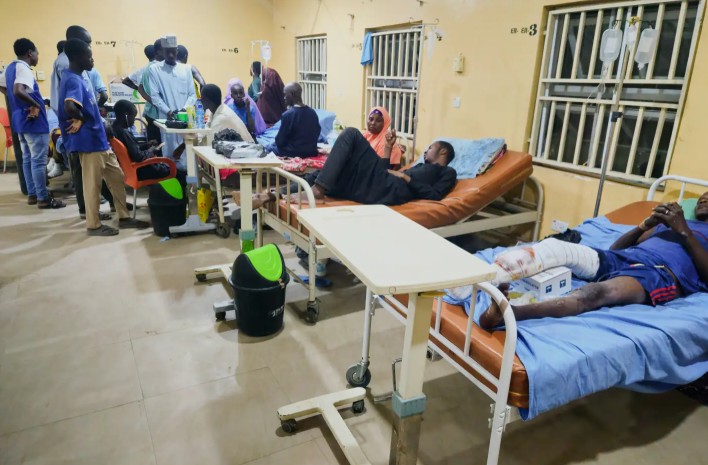
Emergency responders and local volunteers rushed survivors to nearby hospitals, many of which were quickly overwhelmed by the influx of critically injured victims. Medical staff reported severe burns, blast injuries, and missing persons still being searched for in the rubble.
Humanitarian organizations have also been deployed to the area to assist in rescue operations and provide emergency aid to affected families.
Military Statement and Investigation
The Nigerian Air Force acknowledged that an operation was conducted in the area but maintained that it was based on intelligence indicating militant activity. Officials said the strike targeted a suspected terrorist enclave and logistics hub in the region.
Following reports of civilian casualties, the Air Force announced that it has activated its Civilian Harm Investigation mechanism to determine what led to the strike hitting a civilian location instead of the intended target.
However, rights organizations and observers have called for a fully independent investigation, arguing that internal probes may not be sufficient to ensure accountability.
Pattern of Civilian Casualties in Air Operations
Recurring “Misfire” Incidents Raise Alarm
This incident adds to a troubling history of accidental civilian killings during Nigerian military air operations. Over the past several years, multiple airstrikes have mistakenly hit villages, markets, and civilian gatherings while targeting armed groups.
Reports suggest that hundreds of civilians have been killed in such incidents since 2017, largely due to intelligence failures, misidentification of targets, and limited coordination between ground forces and air units.
Complex Security Environment in Northeast Nigeria
Nigeria’s northeast remains the epicenter of a prolonged insurgency involving Boko Haram and Islamic State West Africa Province (ISWAP). These groups frequently operate in remote forest areas but also interact with civilian populations, making it difficult for military forces to distinguish between combatants and non-combatants.
Markets in the region are often crowded and serve as vital supply hubs, further increasing the risk of collateral damage during military strikes.
Humanitarian Impact and Global Reaction
The humanitarian toll of the airstrike is severe, with entire families reportedly affected. Survivors have described mass panic, destroyed livelihoods, and ongoing efforts to locate missing relatives.
International human rights groups have condemned the incident and urged Nigerian authorities to improve targeting accuracy, strengthen intelligence systems, and enhance civilian protection protocols during counterinsurgency operations.
Conclusion
The deadly airstrike in Yobe State highlights the continuing risks faced by civilians in conflict zones where militant activity overlaps with everyday life. As investigations proceed, pressure is mounting on Nigerian authorities to ensure accountability and prevent further tragedies.
With insurgency still active in the region, experts warn that without significant operational reforms and improved safeguards, civilian populations will remain at high risk in future military operations.