
Posted on July 27, 2026
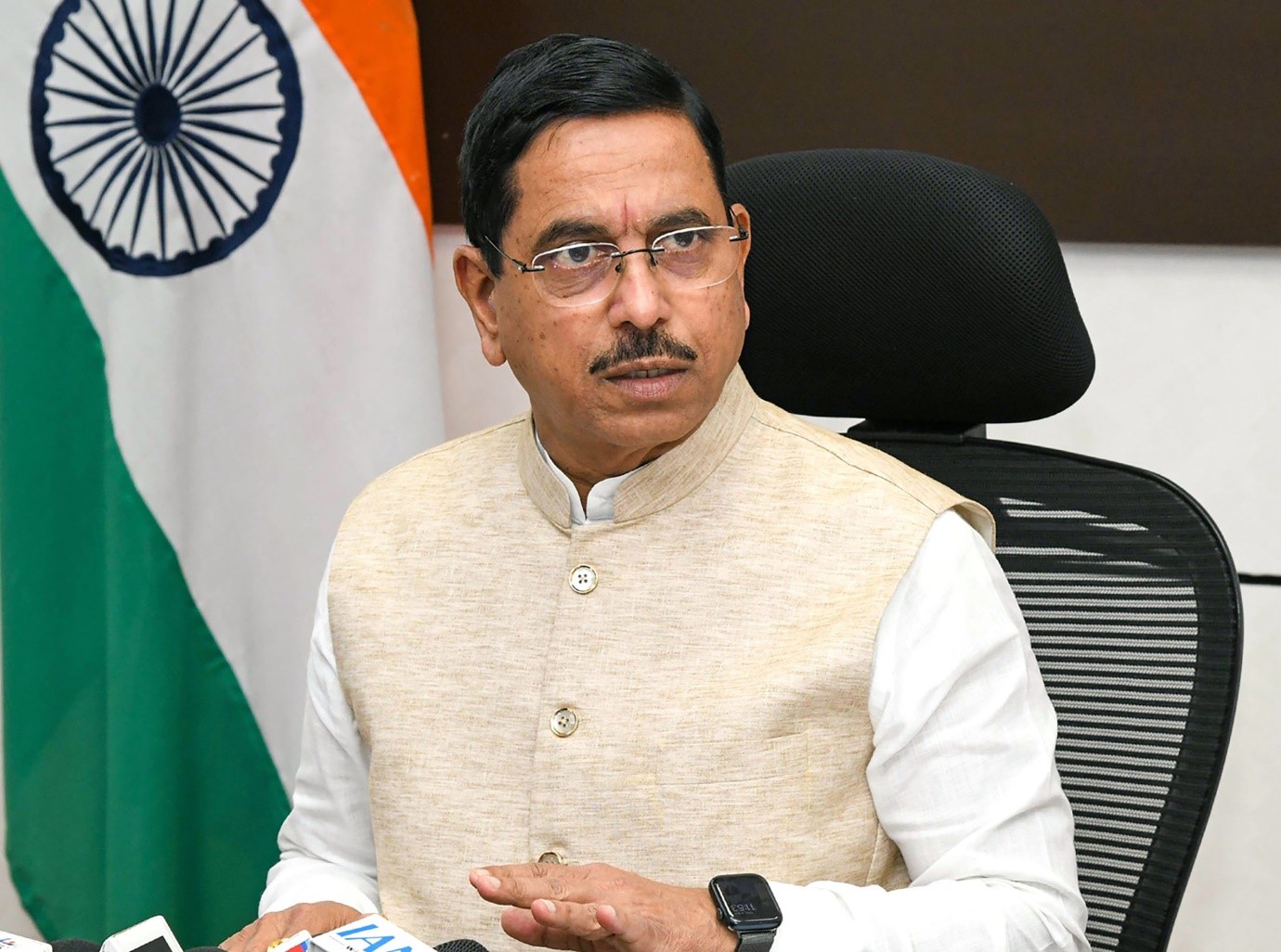
The education sector in India is now at a new stage where the union education minister is being headed by Pralhad Joshi since the departure of Dharmendra Pradhan from the post of the minister. This leadership change is happening at an important time when there are many calls for reforms in examinations, better transparency, and effective governance in higher education. Joshi soon after taking office admitted that the education portfolio is new for him and that he needs to understand how things work in the ministry before making important decisions.
The appointment has gained a lot of national interest since the Ministry of Education is now dealing with very many important duties such as the implementation of the NEP, examination reforms, digital education, and skills training among others. There are millions of students, teachers, and education institutions who are now in need of stability in India’s academic future.
Pralhad Joshi Assumes Charge amid High Expectations
Mr Pralhad Joshi is one of the senior leaders of the Bharatiya Janata Party who has been representing the Dharwad constituency in Karnataka in Parliament on several occasions. Several portfolios have been entrusted to Joshi in his career, including Consumer Affairs, Food & Public Distribution, and New & Renewable Energy, because of his reputation in administration and experience.
On assuming office as the Education Minister of India, Mr Joshi thanked Prime Minister Narendra Modi for entrusting him with the responsibility. He also mentioned that the field of education was relatively new to him but promised to study all departments thoroughly before making any decisions.
This change in leadership occurs after the resignation of the former Education Minister, Dharmendra Pradhan, which occurred due to the controversy surrounding exams. The government acted swiftly to appoint Mr Joshi as Education Minister so that there are no disruptions in the operations of the ministry.
Major Challenges before the New Education Minister
The task of managing India’s educational system is not easy. The ministry handles policies that affect millions of students from schools, colleges, universities, and technical institutions.
Firstly, one of Joshi’s tasks will be to restore public trust in the examination process. Examination irregularities witnessed in recent years have prompted the need for security and strict policies governing evaluations and the examination process. Policymakers are also supposed to address the issues surrounding the prevention of paper leaks and examination processes.
Secondly, Joshi has to ensure that the National Education Policy (NEP) continues to be implemented. This policy aims at reforming India’s educational sector through multi-disciplinary learning, flexible curriculum, vocational education, digital classroom learning, and other important reforms.
Another important area that needs focus is that of digital education. The increasing use of technology in the classroom means that the ministry will have to develop online learning platforms and improve the digital infrastructure to reduce the digital divide among urban and rural students.
Higher education reforms are yet another important area that needs the government’s attention. The universities should be given more academic freedom along with better accreditation systems, research funding, and international collaboration. Such efforts will be crucial if India wants to become an education destination for the world.
It is equally crucial to focus on skill development and employability of the students. With various industries changing due to the introduction of artificial intelligence and automation, the education policy will have to be such that it helps students gain practical skills relevant for the employers.
What This Leadership Change Means for Students and Institutions
For students, the appointment of a new Education Minister implies continuity and a chance for new ideas. Although any changes in national educational policies cannot be expected soon, certain administrative priorities might be reconsidered.
Educational establishments are to expect that the priorities concerning the improvement of quality of education, research and innovations, as well as institutional responsibility will continue being emphasized. Universities are also expected to undergo certain changes as far as the updating of curriculum, faculty development and technology use are concerned.
Parents and students will pay much attention to the attitude of the government to entrance exams, competitive exams, scholarships and digital education projects. Examination process transparency and fairness will be among the priorities of Joshi’s work.
It is thought by many educationalists that Joshi’s administrative experience will aid in improving coordination in different departments and implementing reforms quickly. But success of his term will greatly depend on the ministry’s ability to manage current issues while not losing track of the long-term education objectives.
These coming months will thus be very crucial. The stakeholders of the education system in India, including students, educators, universities, industries, and policy makers, will be looking for strong action in terms of quality as well as trust.
Final Thoughts
The appointment of Pralhad Joshi as the new Union Education Minister of India is a vital leadership transition at a time when there are many challenges and opportunities at hand. The minister’s experience of dealing with heavy portfolios in the past, along with him stating that he needs to learn about the education sector, is an indication of his cautious start.
As India moves ahead with bold education reforms, improvement in examination processes, digital learning and employability, all the decisions made by the ministry will have a direct bearing on the lives of millions of students of the country.
Get ready for all the latest in the education world – from news, policies, entrance exam reforms and more by the Government of India.