
Posted on August 28, 2026
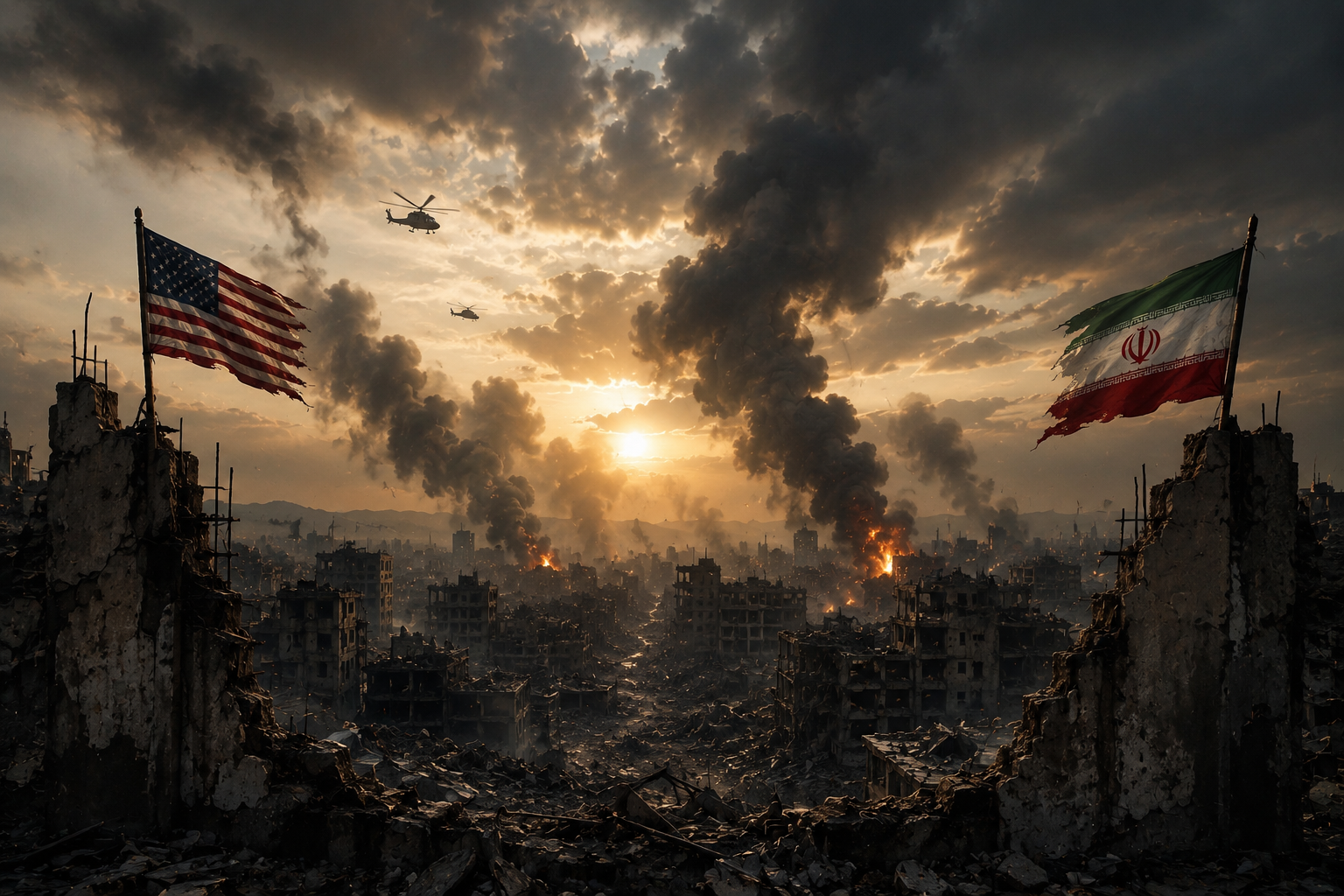
After six months of the US-Iran war, the conflict appears to have become increasingly complicated and uncertain. The war, which began with heavy military operations and hopes of achieving quick results, has instead turned into a prolonged confrontation marked by economic pressure, regional instability and limited prospects of a clear victory.
As was reported on August 28, 2026, the conflict has now reached an endgame situation, although it is yet to be resolved. In this regard, Iran has been suffering from severe economic pressures because of American sanctions and limitations on oil exports, while Tehran still controls its government and holds certain strategic advantages.
It means that the war situation has led to an expensive deadlock in which the United States needs more pressure to get concessions from Tehran, while the latter prefers to suffer economically rather than make unacceptable decisions. It has made the Middle East uncertain again.
Six Months of War: Why Has There Been No Clear Winner?
Although the conflict has its fair share of military and political implications for both parties, none have achieved their strategic objectives fully. While the initial US-Israeli strike has left Iran militarily crippled and killed the country’s ex-leader, Mojtaba Khamenei now leads Iran after surviving heavy injuries.
However, for the Americans, military damage has not been enough to deliver any political results. The Iranian regime is still intact and has shown it can still operate even under such difficult conditions. Thus, the fight has moved from being predominantly military to becoming one that includes the use of economic and diplomatic power.
The US is putting increased pressure on the economy. According to US Treasury Secretary Scott Bessent, the new policy intends to prevent any further opportunities for Iran to earn income through its remaining channels. The policy intends to target the revenues of Iran through oil and the international network through which it is able to carry out commercial transactions despite sanctions.
On the other hand, Iran has plenty of reasons to wait and see what happens. Tehran knows how to live under the threat of sanctions and believes that time may be on its side. Iran’s government is experiencing inflation and dissatisfaction among the population, but it has managed to stay in power so far. According to Reuters, the Iranian government and its analysts do not think that the sanctions can compel the government to abandon its strategy.
The Strait of Hormuz and the Wider Middle East Impact
One of the crucial factors of the US-Iran conflict is the Strait of Hormuz. Being one of the most strategically important sea passages in the world, the strait carries a significant portion of international crude oil shipments, and therefore the possibility of its disturbance concerns all the countries.
The ability of Iran to exert control over navigation in the strait provides Tehran with certain advantages. On the other hand, limitations in the maritime passage put under threat oil supplies, as well as shipping costs. Previous stages of the conflict showed how fast local confrontation may evolve into a global economic problem.
Besides, the US-Iran conflict poses serious challenges to the Gulf countries. For instance, the countries of the region want to curb Iran’s activity but at the same time do not want to allow the escalation of the situation to be harmful to their economy and security. According to Reuters, Gulf countries find themselves between two stools as the tension rises and the cost of oil remains vulnerable to geopolitics.
The cost for the US is also mounting. The ongoing military operation has stretched America’s military capabilities and resources, whereas the current administration has been asked about how long this confrontation could continue without a negotiation process. According to the reports, the resources of the US Navy and other military agencies have been strained due to the war effort.
The diplomatic course is also full of complications. Efforts made by several countries such as Pakistan, Oman and Qatar to initiate a diplomatic dialogue have not succeeded due to some core differences between Washington and Tehran.
What Could Happen Next?
The next phase of the ongoing war between the US and Iran might hinge not so much on military considerations as on economic endurance and diplomatic maneuvering. While Washington is keen on increasing the economic pressure, Tehran relies on its ability to withstand sanctions and wait for the world to exert growing pressure on the US.
Negotiated settlement is still possible, but achieving that would entail compromising on matters that have become the focus of each side’s national security strategy. The absence of which might keep the status quo going for a number of months.
The most uncertain factor, however, is whether economic pressure is going to succeed in making Iranian political elite yield or push it towards more radical actions. According to Reuters, there is a potential danger that Iran will try to provoke disruption of traffic in the Gulf region.
Final Thoughts
As is evident after six months of the US-Iran war, sometimes, it is very difficult to translate military dominance into a conclusive political situation. Iran has faced great military and economic strain, but the Iranian government is still standing firm. The US has shown significant military capabilities, but it has not managed to conclude a decisive victory.
The struggle is now entering its final stage, which means that issues like sanctions, diplomacy, energy security, and regional alliances could play as big a role as military strength. As far as the Middle East and the world economy are concerned, it is very desirable for the conflict to be resolved through some kind of diplomatic settlement.
Get all the updates regarding the US-Iran war, geopolitical analyses and breaking Middle East news on what comes next.