
Posted on July 28, 2026
Every year, the 28th of July is observed globally as World Hepatitis Day to raise awareness about the issue of viral hepatitis, some silent diseases that affect millions of people across the globe. This year’s theme is “Let’s Break It Down” and it is aimed at helping the general public to be able to understand viral hepatitis, know the various kinds of viral hepatitis and help in taking preventative measures and treatments.
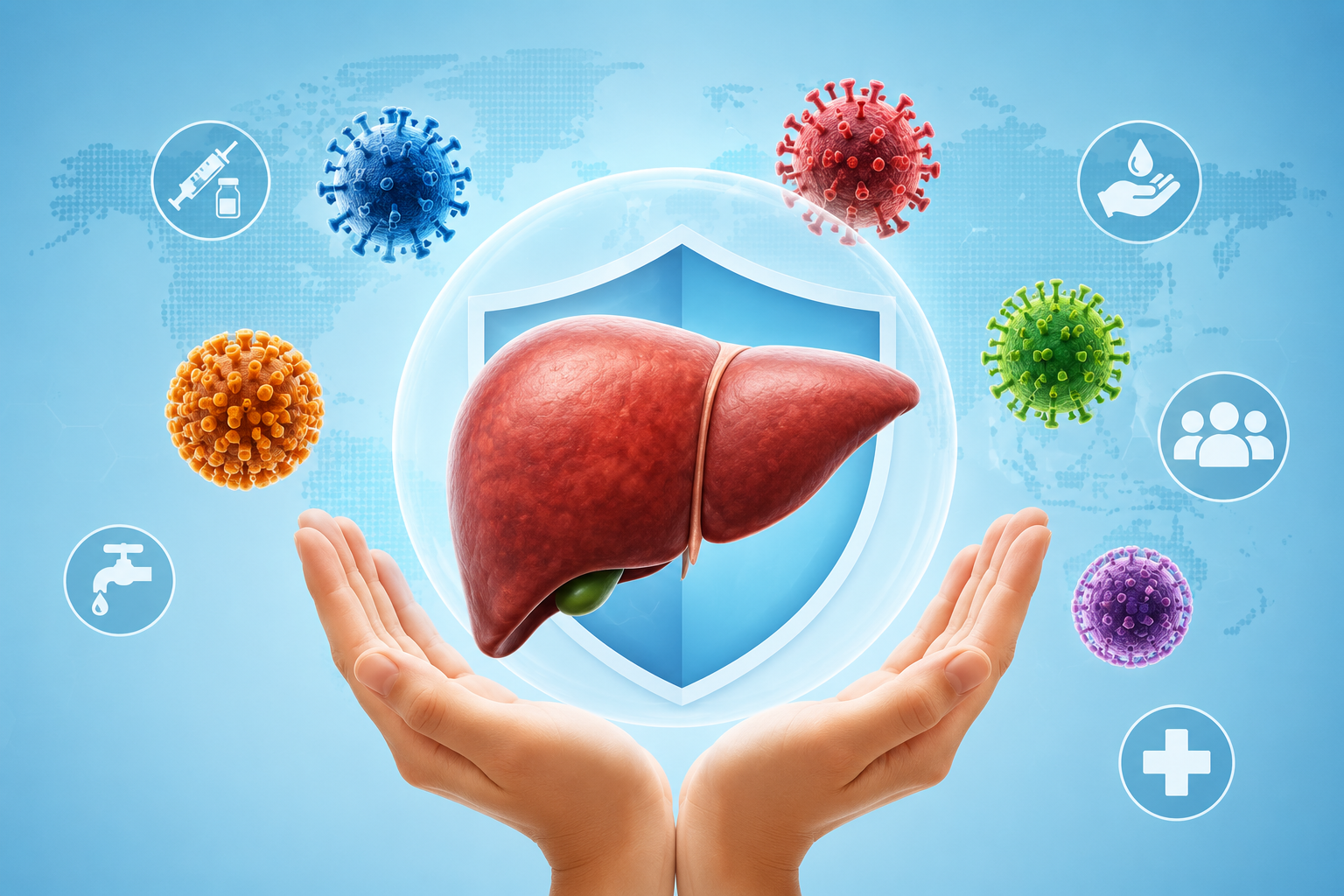
Viral hepatitis is defined as the inflammation of the liver, due to any of the five viruses that affect the liver and are referred to as: Hepatitis A virus (HAV), Hepatitis B virus (HBV), Hepatitis C virus (HCV), Hepatitis D virus (HDV), and Hepatitis E virus (HEV). These viruses affect the liver but differ in the ways they spread, their ability to cause illnesses and even their ability to result into complications.
From health experts’ point of view, Hepatitis B and C make up the greatest percentage of chronic hepatitis patients globally, hence the need for early detection and treatment. However, many people infected are usually not aware of their status since most signs do not emerge until the infection has caused considerable damage to the liver. Hence, the reason why World Hepatitis Day should be observed.
Understanding the Five Types of Viral Hepatitis
Despite the fact that all five forms of hepatitis virus target the liver, there are certain features of these diseases.
The first type of hepatitis is Hepatitis A (HAV), which is mainly transmitted by means of contaminated foods or water and lack of hygiene. This virus causes an acute infection rather than chronic one. People recover within several weeks or even months without any serious damage to the liver. The best way to avoid HAV is vaccination and good sanitation.
The second type is Hepatitis B (HBV), which is spread via infected blood, semen, and other types of body fluids. Hepatitis B can be transmitted from the infected mother to the child during birth, via sexual intercourse, shared syringes, and other unsterile procedures. Many adults recover from the disease but there is a probability to have chronic HBV that can lead to cirrhosis and even liver cancer. Fortunately, there is a very effective vaccine.
Hepatitis C, on the other hand, spreads from person to person via contact with blood. Some common means of transmission include the use of infected needles, unsterilized or poorly sterilized medical equipment, and blood transfusions with unscreened blood. One of the problems with Hepatitis C is the fact that it remains asymptomatic for several years, thus causing silent damage to the liver. There is currently no vaccine for Hepatitis C. However, there are modern medications that can cure more than 95% of patients diagnosed with the virus.
The most severe form of hepatitis is believed to be the one caused by Hepatitis D, since it can only infect a person who has Hepatitis B virus. Hepatitis D is more harmful, as it causes rapid liver damage and makes liver failure and liver cancer much more likely. Hepatitis B vaccination is effective protection against Hepatitis D, as well.
As mentioned earlier, Hepatitis E is mostly spread through poor sanitation and contaminated water. This type usually does not cause any long-lasting effects on a healthy adult. However, Hepatitis E poses a major health threat to pregnant women, especially those in their third trimester.
All five viruses mentioned can affect liver functioning negatively.
Symptoms, High-Risk Groups, and Prevention Tips
The greatest challenge of managing viral hepatitis is that many patients suffer from very mild symptoms or even remain asymptomatic throughout the initial stage of the infection.
The following are the typical symptoms associated with viral hepatitis:
- Chronic tiredness and fatigue
- Fever
- Poor appetite
- Nausea and vomiting
- Upper-right quadrant abdominal pain and discomfort
- Dark-colored urine
- Clay-colored stools
- Jaundice (yellow discoloration of skin and whites of eyes)
- Arthralgia and myalgia
Some groups of individuals have a higher likelihood of contracting viral hepatitis compared to others. Some of these groups include health care practitioners at risk of blood exposure, individuals sharing needles/syringes, those receiving unscreened blood transfusions, infants born from Hepatitis B infected mothers, individuals engaging in multiple sexual relationships, travelers in poor sanitation countries and pregnant women, especially Hepatitis E.
It is the recommendation of health care practitioners for people at risk of having hepatitis to be screened on a regular basis, even if the person feels perfectly healthy.
Viral hepatitis can be prevented by vaccination, good hygiene, and healthy behavior regarding healthcare decisions. There is a vaccine available for Hepatitis A and Hepatitis B; prevention of Hepatitis C, D, and E depends on limiting exposure to infected blood and water, safe sex practices, not using needle sharing, sterile instruments, and clean hands.
It is necessary for an individual to consult a doctor if the above symptoms occur in them like jaundice, severe abdominal pain, vomiting, extreme tiredness, and dark urine. Timely diagnosis and treatment improve their condition especially for chronic hepatitis B and hepatitis C infection.
It is recommended on this day of World Hepatitis Day that all individuals who come under the risk group should get themselves screened for hepatitis from their doctors.
Final Thoughts
World Hepatitis Day 2026 will not only be a day of awareness but rather an opportunity to know that viral hepatitis is preventable, detectable, and treatable in most cases. By having knowledge about the distinctions between Hepatitis A, B, C, D, and E, understanding the early signs of each type, and making sure you follow preventive measures like vaccinations, proper hygiene, and routine medical checkups, one can protect themselves and their community from the disease.
From breaking health news to expert analysis, stay informed with our latest stories covering healthcare, wellness, and medical advancements.