
Posted on February 5, 2026
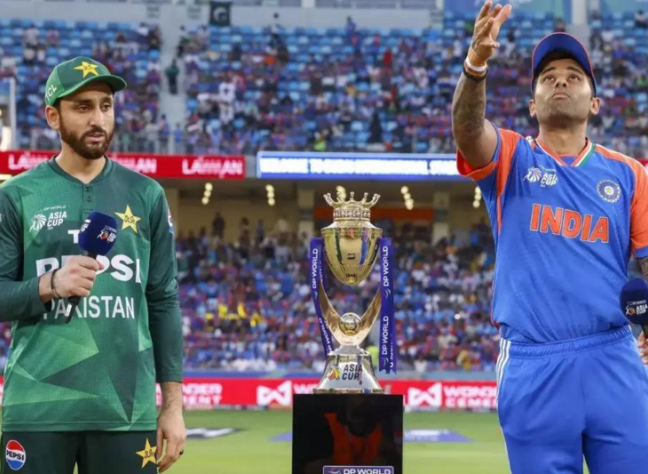
In a major development ahead of the ICC Men’s T20 World Cup 2026, Pakistan has confirmed that it will boycott its group-stage match against India, one of the most watched and commercially valuable fixtures in international cricket. Prime Minister Shehbaz Sharif clarified that the decision was taken in solidarity with Bangladesh, following its controversial removal from the tournament, and not as a direct political move against India.
Sharif stressed that sports should remain free from political influence, adding that Pakistan felt compelled to support a regional partner it believes was treated unfairly.
India–Pakistan Clash Called Off
The India–Pakistan match was scheduled for February 15, 2026, in Colombo and was expected to attract millions of viewers worldwide. However, Pakistan’s government instructed the national team not to take the field against India, even though it has allowed full participation in the rest of the World Cup.
Calling it a “clear and well-considered stand,” Prime Minister Sharif said the decision was taken after extensive consultations. He reiterated Pakistan’s position during a federal cabinet meeting, stating that cricket should unite nations, not become a tool for political pressure.
While Pakistan remains committed to the tournament itself, the boycott reflects the growing strain between sports governance and regional geopolitics in South Asia.
The Bangladesh Factor Behind the Decision
The trigger for Pakistan’s stance lies in the removal of Bangladesh from the T20 World Cup. Bangladesh Cricket Board officials had raised security concerns about playing matches in India and requested venue changes. After reviewing the matter, the International Cricket Council (ICC) rejected the request, stating there was no credible security threat.
As a result, Bangladesh withdrew from the competition and was replaced by Scotland, the highest-ranked team that had failed to qualify. This move drew sharp criticism from Pakistan’s leadership and cricket authorities.
PCB Criticizes ICC’s Decision
Pakistan Cricket Board (PCB) Chairman and Interior Minister Mohsin Naqvi openly criticized the ICC, calling its handling of the situation inconsistent and unfair. According to Naqvi, if flexibility could be shown to certain nations, similar consideration should have been extended to Bangladesh.
Pakistan’s leadership believes the decision set a dangerous precedent, raising concerns about equal treatment of member nations. Prime Minister Sharif later confirmed that Pakistan’s boycott was meant to send a message of support, rather than escalate tensions with India.
ICC and Global Cricket Reaction
The ICC has urged Pakistan to reconsider its position, warning that selective participation could undermine the tournament’s integrity. Officials emphasized that all teams are expected to honor fixtures to maintain competitive balance and protect the interests of fans and broadcasters.
Cricket experts have also expressed concern, noting that India–Pakistan matches are the financial backbone of ICC events. The absence of this fixture could significantly impact broadcasting revenues and global viewership.
The Board of Control for Cricket in India (BCCI) has supported the ICC’s stance, reiterating the importance of maintaining sporting spirit while avoiding further escalation.
What This Means for the T20 World Cup 2026
Pakistan remains in Group A, alongside India, Namibia, the Netherlands, and the USA, and will play all other scheduled matches. However, the boycott highlights how politics, security concerns, and cricket administration continue to intersect in the region.
The situation may influence how future ICC tournaments handle venue disputes, security assurances, and government involvement. It also raises questions about whether similar boycotts could occur if diplomatic tensions resurface.
As the tournament approaches, attention will remain on whether Pakistan revises its stance, how Bangladesh’s exclusion impacts its cricketing future, and how the ICC navigates the delicate balance between global sport and regional politics.