
Posted on June 2, 2026
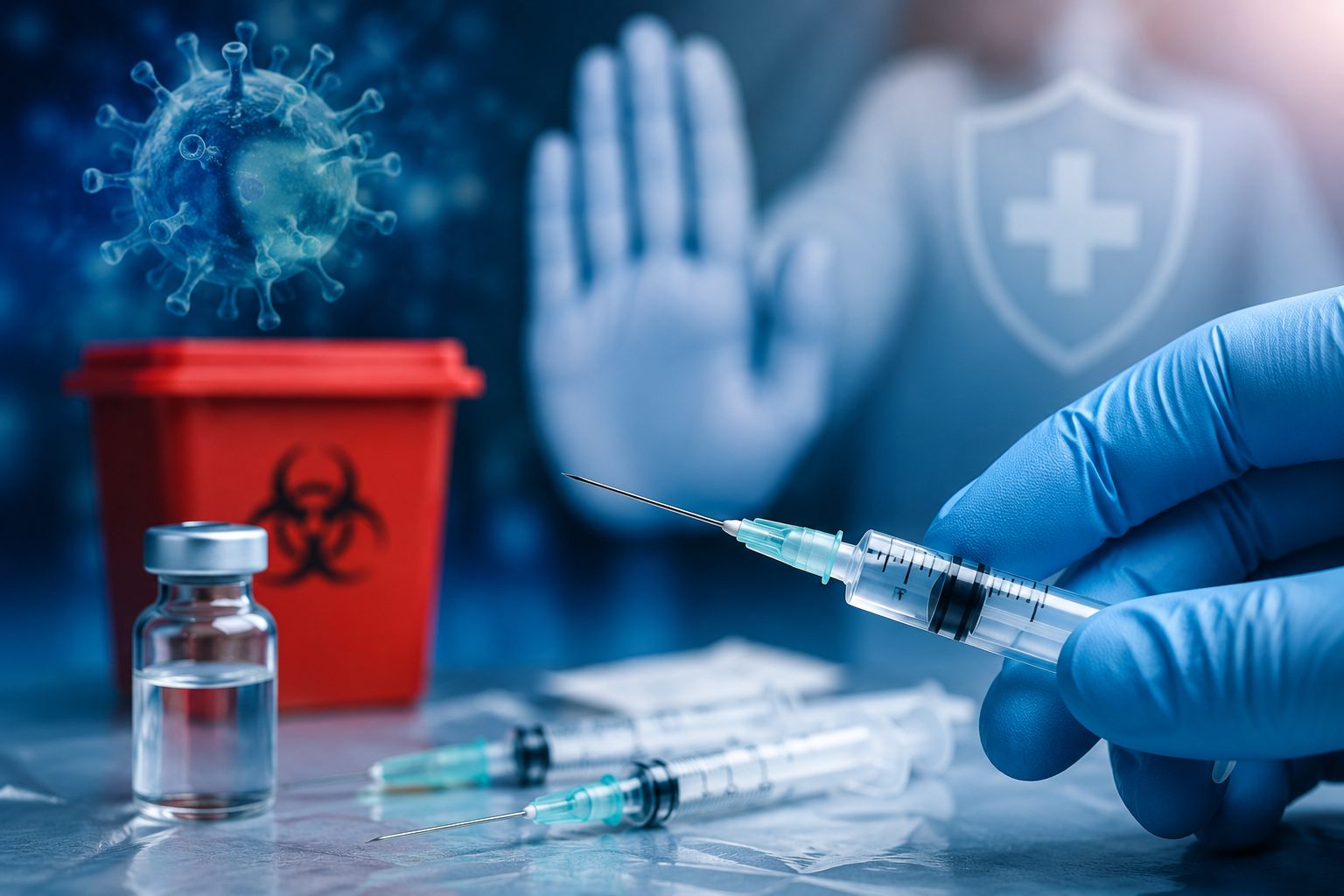
The National Medical Commission (NMC) has raised a nation-wide alarm about the grave health consequences arising out of improper use of injections by medical personnel across India. The health warning has come at a time when concerns have been raised regarding the possible transmission of blood-borne diseases such as HIV, Hepatitis B, and Hepatitis C through improper use of syringes and other injection equipment.
Injections, which are an integral part of modern medicine for treatment purposes as well as preventive vaccinations, require strict observance of health guidelines in order to avoid any infections in patients. According to NMC, infections caused due to injections are fully preventable.
Understanding the Risk of Unsafe Injections
Unsafely administered injections are those where reuse, inappropriate sterilization, or incorrect disposal of needles and syringes takes place. One instance of poor adherence to infection control protocol can put many people at risk of contracting various infections. Blood-borne viruses such as HIV, Hepatitis B, and Hepatitis C are able to withstand contamination by equipment used on other patients for some time.
Medical professionals have always cautioned against the dangers associated with unsafely administered injections in a number of developing countries. There have been studies linking unsafely administered injections to outbreaks of HIV and hepatitis.
What the NMC Advisory Says
Under the guidelines issued by the NMC, medical institutions and associated healthcare facilities in India have been advised to improve their infection control practices. As per the recommendations, these are some steps that must be taken:
- Using only sterile, single-use needles and syringes.
- Prohibition on the reuse of syringes and needles.
- Better hand washing protocols for health care personnel.
- Segregation and disposal of biomedical waste.
- Sharps management in an efficient manner.
Employment of safety-engineered and auto-disable syringes when possible.
Moreover, the need for prioritizing patient safety has also been emphasized by the NMC. Some unacceptable practices such as syringe reuse, inappropriate vial use, needle recapping, and disposal of sharps have been mentioned as examples.
Why HIV and Hepatitis Transmission Remains a Concern
A lot of injections are given daily in hospitals and clinics both public and private across India. While it is true that most medical practitioners adhere to the right protocol, the sheer number of injections implies that even minor slip-ups may end up infecting numerous people.
The use of unsafe injections has been found out to be one of the major factors contributing to the spread of blood-borne infections. Studies focusing on the disease burden as a result of medical injections conducted have found out that viral hepatitis and HIV are two major concerns in areas with lack of proper injection safety practices.
These infections are extremely dangerous due to the fact that one infected with either infection does not show symptoms at once; thus, he may carry the virus for many years without knowing until he develops a liver-related complication. These may include liver cirrhosis or even liver cancer.
What Patients Can Do to Protect Themselves
Patient awareness plays a critical role in infection prevention. Although the major burden of ensuring safety standards lies with health practitioners, patients themselves may practice some basic measures:
- Make sure that the syringe and needle have been freshly opened before their use.
- Enquire from healthcare practitioners about infection control measures, when need be.
- Avoid unnecessary injections where they are not medically required.
- Select health facilities with appropriate hygiene standards.
- Speak out against unsafe practices.
Such public awareness may improve accountability and ensure better health care environment for all. Recent studies have stressed the importance of raising patient awareness and education regarding safety injection techniques.
Building a Culture of Patient Safety
The latest NMC warning is just one more reminder that patient safety has to be at the forefront of healthcare services. It is not enough for hospitals and other healthcare facilities to follow all necessary rules; there must be safeguards put in place to protect their patients from potential infections that might arise from neglect or outdated procedures.
It is only through constant updating and improvements of the healthcare infrastructure that risks can be minimized.
Final Thoughts
The advisory of NMC emphasizes a key principle of health care: transmission of infections such as HIV, hepatitis B, and hepatitis C through unsafe injection is avoidable. India can considerably lower its vulnerability to blood-borne infections and develop a reputation for effective health care by enforcing infection control protocols, using disposable syringes and needles, and raising awareness.
Everyone – specialists, establishments, and patients alike – should work together to guarantee correct injections. One safe injection can save a person’s life, while one unsafe injection may lead to the spread of serious diseases. Ensuring the use of safe injection now can guarantee future health.
Understanding today’s healthcare challenges is key to preparing for tomorrow’s opportunities and risks. Stay connected to the latest updates.