
Posted on February 21, 2026
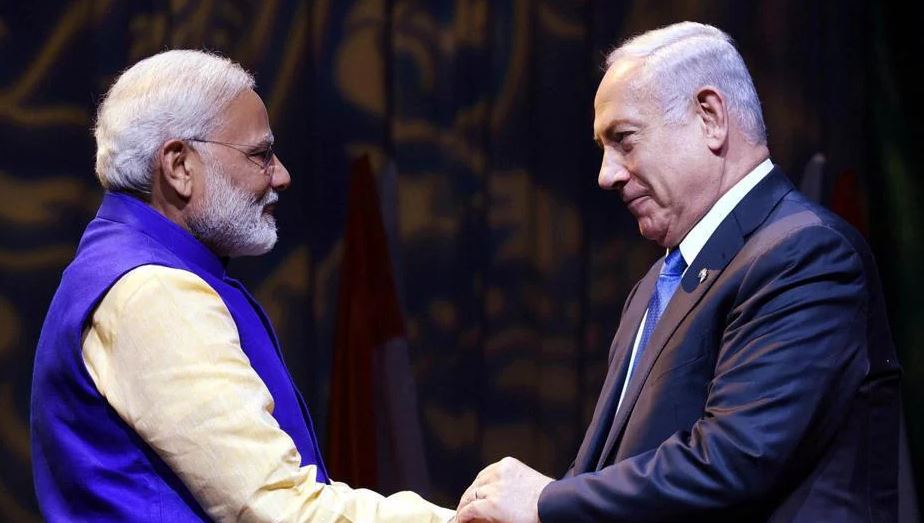
As the world grows more dangerous, India has been slowly but progressively strengthening its defence capabilities. In a major development for India’s defence capability, it has begun examining advanced anti-ballistic missile (ABM) technologies with Israeli assistance; Israel has a reputation as one of the leaders in missile defence development. As such, the partnership could represent both an upgraded capability in terms of new technology, but also can serve to fundamentally align the two countries’ defence cooperative efforts beyond merely equipment and technology.
The Growing Need for Advanced Missile Defence
India’s geopolitical situation presents multiple security threats, such as the presence of nuclear power in its neighbouring countries, along with new missile threats which require an advanced, multilayered missile defence system. The primary concern arises from the fact that ballistic missiles can travel long distances at extremely high speeds. Therefore, there is a significant threat to Strategic Assets, Military bases and large cities.
To meet these current threats, India has been developing its own indigenous ballistic missile defence program; however, in contemporary warfare there is a requirement for highly sophisticated and battle proven systems that will intercept incoming missiles including those entering Earth’s atmosphere or outside the atmosphere. This is where Israeli technology will prove very useful to India’s needs.
Why Israeli Anti-Ballistic Technology?
Israel has developed one of the most sophisticated and successful military missile defence systems in the world. Arrow and David’s Sling are two missile defence systems used to block medium and long range ballistic missiles, operating in a multi-layered defence system providing multiple opportunities for neutralizing threats before they reach their target.
The Arrow missile defence system, for example, is designed to intercept ballistic missiles in the exo-atmospheric environment, while David’s Sling addresses the threat of medium-range ballistic missiles. With shorter range missile defence systems, Israel’s integrated missile defence system would give the manufacturing nation the capability to defend against the full range of aerial threats.
For India; having access to such technology will elevate its ballistic missile defence system significantly increasing the chances of interception, radar capabilities, and real-time threat assessment capabilities.
Strategic and Diplomatic Implications
The relationship between India and Israel regarding defence cooperation has been ongoing for many years now and has grown substantially over these years. Over the past few decades Israel has become one in the top countries supplying defence equipment to India. They have supplied India with surveillance systems, drones, radar technology and other precision guided munitions. Exploring the possibility of developing a jointly developed anti-ballistic missile system represents a logical extension to that existing relationship.
The introduction of new technologies through collaboration between the two countries can lead to greater levels of trust between the countries militarily and politically. The continuation of this type of collaboration is indicative of the larger strategy of India to diversify its sources of defence equipment and maintain a balance between domestic and international suppliers. Enhancing both deterrent and defensive capabilities through the development of missile defence capabilities positions India as a responsible and capable regional power.
Through collaboration with India, means more opportunities for Israel to have technological exchange and support the establishment of an ongoing cooperation between the two nations with the end goal of enhancing both nation’s ability to be regional and potentially global leaders in advanced military capability and technology.
Balancing Indigenous Development and Foreign Collaboration
India is continuing to develop its own two-tier ballistics missile defense system and its own interceptor missiles capable of intercepting threats at multiple altitudes. While there is potential for India to engage with Israeli developed anti-ballistic missile (ABM) systems, this relationship does not replace domestic ABM programs but rather complements and accelerates India’s development of ABM systems.
Through technology transfer agreements, collaborative research efforts, and co-production, India will have the opportunity to evaluate successful Israeli components for potential inclusion in its defensive architecture. The hybrid solution will enable India to enhance the operational readiness of its forces while simultaneously advancing the development of indigenous capabilities over the long term as part of a comprehensive strategic plan.
Regional and Global Impact
The potential upgrade of missile defense systems in India will receive much attention throughout South Asia and beyond. Enhanced defense capabilities by a state can affect the decision-making process of other countries regarding strategic arms planning, deterrent relationships and impact the security debate in the region.
On the other hand, because of their defensive characteristics, missile defense systems serve the purpose of protecting civilian locations and vital infrastructures from hostile attacks. By pursuing advanced anti-ballistic missile (ABM) technology, India is sending a message that it is protecting its own security, but it is not necessarily enhancing its potential offensive military force.
Looking Ahead
As talks and assessments continue, collaboration between India and Israel regarding anti-ballistic missile technology is more than just a procurement decision; it represents the start of a new chapter in strategic defense planning. Nations are evolving to meet the rapid pace of technological progress and the growing complexity of security issues.
This potential cooperation will be a great benefit to India’s multi-layered missile defense shield, strengthen India’s relationship with Israel, and create greater strategic stability within the region. In many ways, this indicates that we are entering a new era in defense; innovation, collaboration, and preparation are converging to define how we will secure our homeland going forward.