
Posted on March 21, 2026
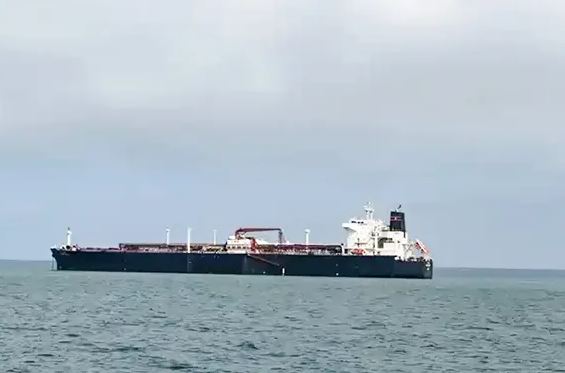
The smooth traffic of India-bound LPG tankers through the Strait of Hormuz exemplifies both the resiliency of international energy delivery systems and the increasing threat geopolitical conflict presents. While the conflict in this part of the globe continues, commerce by sea (particularly trade involving energy) continues to transit through one of the world’s most significant choke points.
The Strait of Hormuz is one of the most significant transportation routes for oil and gas throughout the world. A large proportion of global liquefied petroleum gas (LPG) shipments are transported through the narrow waters of the Strait of Hormuz. For India, which imports more than half of its LPG to meet its domestic demand, uninterrupted passage through this waterway is essential for its continued ability to deliver on its responsibilities as a nation. LPG is an important product used by households and industry alike in India; therefore, a guaranteed supply is critical for maintaining the proper functioning of the country as a whole.
Shipping companies, insurers and government officials have expressed some concern about the war-impacted operational environment. Heightened militarisation around sea trade and continued military operations near the sea have led to a number of risks for the commercial vessel operators. The requirement for tankers to exercise extreme caution while navigating into commercial ports, or ensure safe passage, is now compounded by naval advisories (as well as enhanced security measures) that all increase the overall operational risk.
While these risks exist, the movement of LPG tankers worldwide shows that the global shipping industry is adapting to the current state of affairs. Shipping companies are taking measures as appropriate, either adjusting routes, increasing safety measures, or closely coordinating with the applicable international agencies to reduce any risks associated with the Sarvodaya Shipping Conference. For instance, ships may travel with other vessels (convoy) or under a naval escort, as an indication of the seriousness with which this issue is being treated.
Disruption of LPG supplies will affect the Indian economy due to the potential impact on transportation costs and insurance premiums, and as such, rising fuel prices in India. These increases will in turn impact both household budgets and industrial operations, prompting both the government and the energy sector to be very vigilant in monitoring the situation while ensuring sufficient reserves and contingency plans exist.
Additionally, this scenario raises the larger question of energy security. India is actively pursuing ways to diversify its energy supplies and lessen its reliance on particular routes and/or areas. Part of India’s long-term plans to protect against geopolitical disruptions includes investing in alternate supply chains, building strategic reserves, and developing renewable energy sources.
The situation in Hormuz should also illustrate how connected the global energy market is. A conflict in one part of the world can quickly impact energy prices and supply other parts of the world. Countries that import their energy must continue to be vigilant and proactive about managing these risks.
In summary, the ongoing movement of India-bound LPG tankers through a war-torn strait serves as a testament to the need for both security and fortitude. While there are many challenges still being faced, cooperation between governments, shipping companies, and international agencies is working to ensure that these vital energy supplies continue to flow. Future considerations will focus on the safety, stability, and continued availability of critical resources.