
Posted on July 31, 2026
The 2026 India Monsoon emerges as one instance which serves as a lesson on the fact that seasonality in weather is hardly driven by any singular factor. Earlier predictions had been towards below-normal rainfall during July, owing to the impact of El Niño and its growing strength on weakening the Indian monsoon. But the rainfall pattern in July has turned out to be closer to normal, surprising many.
The Reasons for Worry in El Niño Year
El Niño refers to the warming of the surface layer of the water in the central and eastern tropical Pacific Ocean. It is an ocean and atmospheric phenomenon, which has the potential of impacting global weather systems. Traditionally, El Niño years have been known to witness weak monsoon rainfall during the summer months in India.
Therefore, the concerns raised in 2026 were understandable. According to the India Meteorological Department (IMD), the expected rainfall in July would be below normal, at 94 percent of the long-period average rainfall. The deficiency witnessed in June had only heightened these worries.
Why July 2026 Monsoon in India has been Different
July 2026 monsoon patterns indicate why the Indian monsoon cannot be solely attributed to El Nino phenomenon. There are a number of factors that play a role in the occurrence of the Indian monsoon including low pressure areas, position of the monsoon trough, transfer of moisture from adjacent seas.
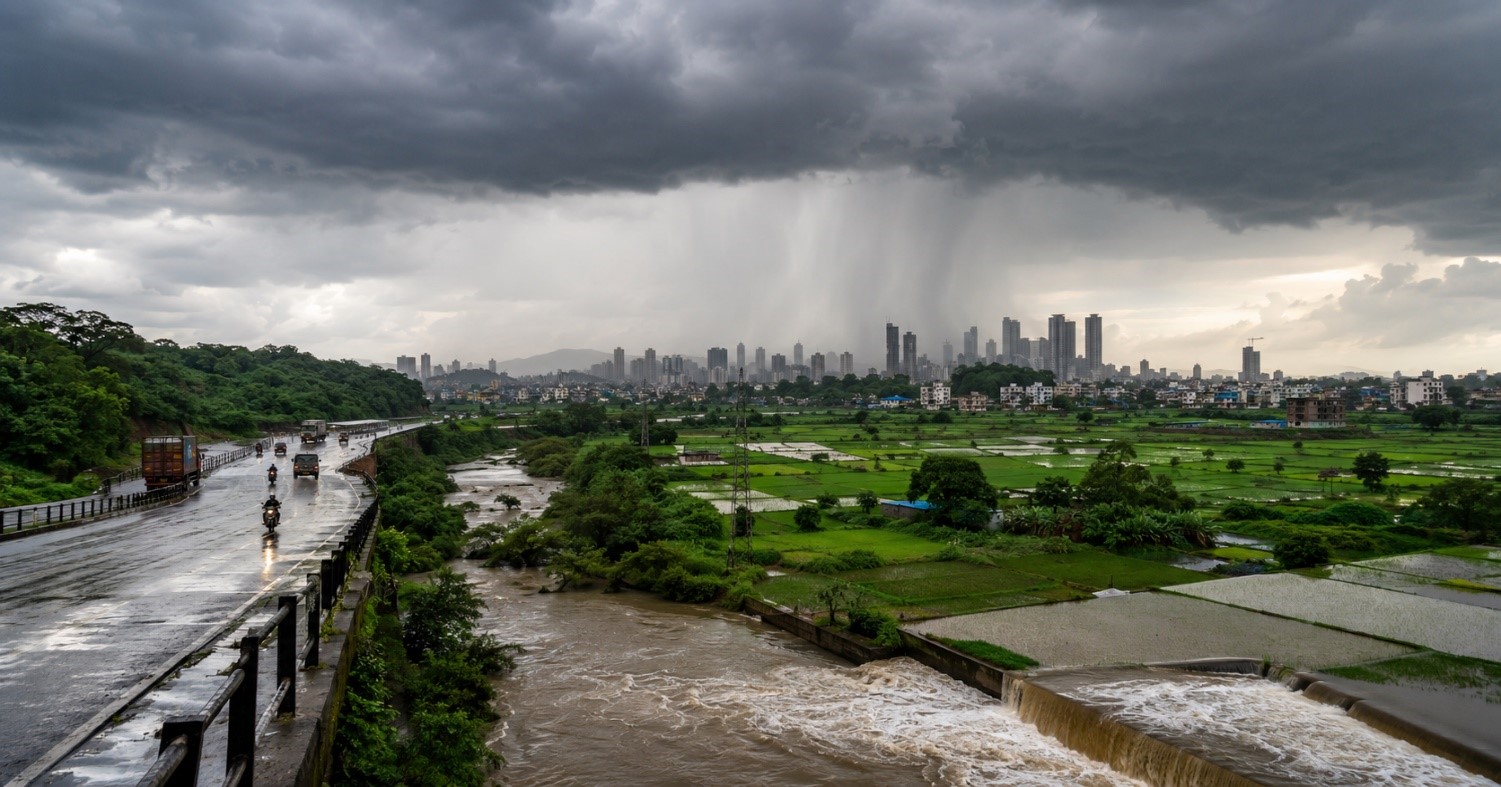
During July 2026, IMD reports have indicated that there were active monsoon patterns as well as spells of heavy and very heavy rainfall in different parts of the country. Weather patterns in central, north, east and west India have been responsible for spells of heavy rainfall despite other parts remaining relatively dry.
According to reports on July 30th, it was observed that India had received an amount of 270.1 mm rainfall in July compared to the normal level of 271.9 mm. Hence, July 2026 was a normal monsoon month.
Climate Change Creates Another Dimension
The impact of global warming on monsoon variability is another research area that scientists have been focusing on more lately. Warming means that the atmosphere has the capacity to hold more moisture, but it doesn’t necessarily mean that each year will be either wet or dry.
What it means is that the impact of climate change may be such that monsoon rainfall will be more unpredictable and dependent on local weather systems. In other words, forecasting the Indian monsoon becomes multi-dimensional.
Implications for India
Agriculture and Farmers
Rainfall may help in crop planting and growth if it is adequate, but even otherwise, irregular rainfall can affect the farmers. Even excessive rainfall within a short duration may result in crop destruction.
Water Resources
Normal rainfall in the country as a whole may provide sufficient water, but inadequate rainfall in some areas and excessive rainfall in others may cause unequal water distribution.
Flood and Drought Threats
Normal seasonal rainfall will not eliminate any threat. High rainfall may lead to floods whereas intervals between rains may cause drought conditions.
Urban Areas and Infrastructure
Heavy rainfall may cause waterlogging and landslides, affecting transport.
What It Means for India’s Monsoon Season in 2026
For the rest of India’s 2026 monsoon season, issues that are of concern include distribution of rainfall, number of active/weak phases of monsoon season, new weather systems, and IMD forecast updates. What matters most is not only the amount of rainfall in India, but when, where and how heavy that rainfall is.
Conclusion
So far, the experience of the India Monsoon 2026 shows that El Niño is a climatic indicator, but it can never predict India’s rainfall results. So far, the rainfall in India in July 2026 has defied the initial prediction of shortage.