
Posted on September 16, 2026
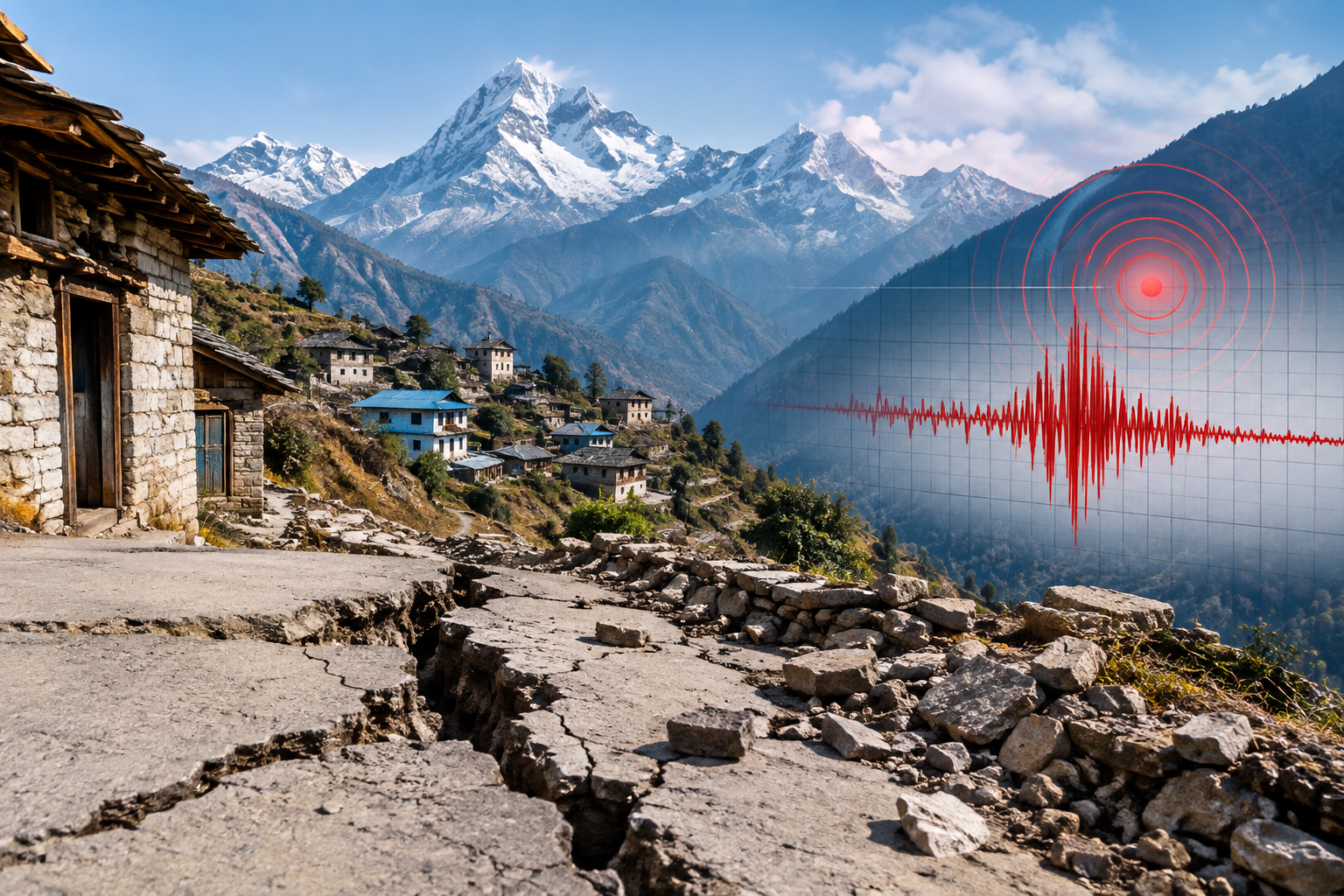
Two earthquakes in northwestern Nepal have hit the Mugu district within a span of just three hours at the beginning of Wednesday, September 16, 2026. The earthquakes reportedly occurred in the hilly region, but there was no immediate news of any deaths or significant damage caused by the quakes.
The back-to-back earthquakes have again made the issue of Nepal’s susceptibility to earthquakes a subject of concern. Nepal is a country situated in one of the most seismically volatile areas in the world due to the presence of moving tectonic plates which cause quakes regularly. This earthquake has taken place while Nepal is still reeling under the effects of other natural disasters.
Two Earthquakes Recorded in Mugu District
Both of the earthquakes occurred in the area of Mugu in northwestern Nepal, which is a remote district. According to the information released by Nepal’s earthquake monitoring authorities, the two earthquakes occurred within just about three hours of each other early in the morning. Notwithstanding the fact that there have been two earthquakes within a relatively short period, the local authorities did not report any deaths or serious injuries as well as any significant property damage due to this phenomenon.
Mugu is situated in mountainous region of northwest Nepal and therefore its geography might pose some challenges for rescue work in case of any emergency situation arising from earthquakes. However, even if the first quake is not very destructive, the possibility of a series of quakes might raise questions concerning the stability of the slopes and other structures.
The lack of casualties is something to be glad about, but earthquake monitoring is important after two earthquakes occur close to each other.
There have been many earthquakes recorded within Nepal’s history. The location of Nepal in relation to the Indian and Eurasian plate border is where the Himalayan region is situated, making it geologically very active. It is the collision and movement of these two plates which have helped form the Himalayas.
The recent earthquakes in northwestern Nepal also highlight the wider earthquake hazards faced by communities across the Himalayan region. According to the United States Geological Survey, earthquakes in the Himalayan region are associated with tectonic processes, including movement along thrust faults.
Why Earthquake Preparedness Matters in Nepal
Recent earthquakes in the northwestern parts of Nepal highlight once again how crucial preparedness is for communities residing in mountainous and earthquake-prone regions. A relatively mild quake may become quite deadly if it impacts communities where the buildings are particularly vulnerable or cause other disasters, such as landslides.
As far as people are concerned, certain safety actions during an earthquake might help save lives. It is often suggested that people get down and find shelter under some heavy furniture while an earthquake is happening. Moreover, staying clear of windows, any potentially hazardous objects and collapsing buildings is critical.
After the earthquake, people should examine themselves for injuries, be careful around the ruined buildings, and obey the instructions of the local authorities. When talking about mountainous areas, people should pay attention to the dangers of landslides and falling rocks.
Resilience of the infrastructure network is yet another element of preparation for any possible earthquakes. Implementation of higher construction standards, regular building inspection, communication systems and disaster management plans at the community level may lessen the negative effects of future earthquakes.
The current events occur in a very difficult period for Nepal. Indeed, the country has suffered from natural disasters recently, including the disaster that happened due to glacier melting and flooding that led to numerous casualties and destruction of the infrastructure.
Such a disaster environment emphasizes the necessity of continuous monitoring and preparations for emergency situations because communities suffering from one disaster may face additional difficulties in case of any other natural hazards.
Conclusion
The earthquakes in northwestern Nepal that occurred in the Mugu district within a three-hour interval on September 16 highlight the continuing earthquake risks faced by communities across the Himalayan region. Although no deaths or significant damage were immediately reported, the closely timed tremors demonstrate the importance of monitoring, preparedness and public awareness.
Given the geological features of Nepal, earthquakes are likely to remain one of the major natural disasters. Therefore, investments in making buildings safer and preparedness of the population may come in handy during any earthquake. When assessing the recent earthquakes, officials ask the population to stay cautious and believe only the officially announced information.
Learn about the latest earthquakes from trustworthy earthquake monitoring news and follow the safety instructions in case an earthquake occurs.