
Posted on July 8, 2026
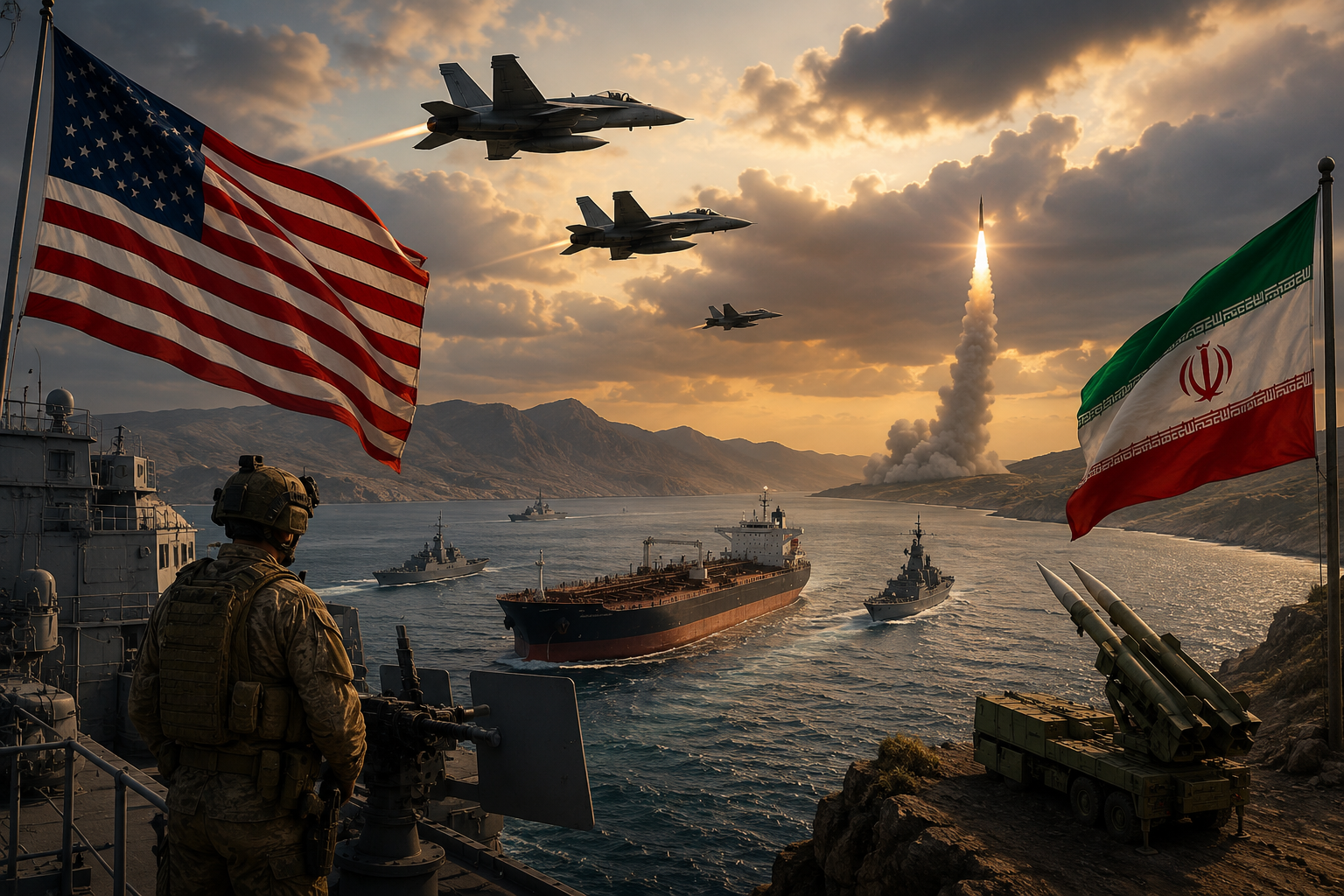
There have been new tensions rising in the Middle East following reports of a large-scale military attack by the United States targeting Iran because of their attacks on merchant ships in the Strait of Hormuz. The plan is for the attack to target almost eight times more locations in Iran’s military compared to other recent attacks carried out.
This has increased the fear of a war involving the entire region, which might lead to the disruption of oil supply in the region, international trade and efforts to bring peace to one of the most strategic water bodies in the world.
Why the Strait of Hormuz Remains at the Center of the Crisis
The Strait of Hormuz is one of the world’s most vital maritime straits because it is used as the main channel of shipment of crude oil and liquefied natural gas from the countries of the Persian Gulf to other parts of the world. Any disturbance in this strait would cause an instant impact on the prices of energy in the world market.
It has been reported that three merchant ships have recently been attacked as they moved through the Strait of Hormuz. The US has accused Iran of these attacks and called them as a clear threat to maritime security and freedom of navigation. In previous incidents, Iran had denied all allegations but now the US seems to be ready for a tougher military action against Iran.
A high-ranking American official said that the coming military actions will target roughly eight times the number of locations than previously attacked by the military. The aim, it was reported, was to cripple the capabilities of the Iranian military in the region and discourage future attacks on the ships of civilian traders.
The attack sites would consist of air defenses, missile launch pads, drone bases, radars, command centers, and the navy of Iran which operates in the region around the Strait of Hormuz. The expanded attack mission was termed by the Americans as “punishment.”
Escalating Military Actions Increase Regional Uncertainty
The recent developments were made despite previous attempts by diplomats to bring down the tensions between the U.S. and Iran. The on-going attacks on the commercial ships have greatly undermined faith in the process of negotiation.
Upon receiving information about the coming strikes by the U.S., Iran threatened a serious response to any attempt of a military strike on its territories. Military leaders of Iran said several times that any attacks would be met with a decisive response, thus putting the whole region at risk of being involved in the conflict.
According to the information, U.S. Central Command carried out a new series of strikes on over 80 military facilities of Iran. The strikes targeted anti-ship missiles, drones, coast radar stations, Revolutionary Guard facilities, and military command posts in the vicinity of the Strait of Hormuz.
In response to the attack, Iran is said to have mounted missile and drone attacks on American military bases in Bahrain and Kuwait, further escalating tensions in the Gulf area. Missile defenses were deployed by several Gulf countries as the crisis threatened to extend out of the borders of Iran.
The threat of ongoing retaliation from both parties may lead to a chain of escalation that will be harder and harder to control, say security analysts.
Global Economic and Diplomatic Impact
In addition to the military significance of this crisis, it also has economic implications. The Strait of Hormuz is an important route for transporting large volumes of energy to other parts of the world.
Traders of energy have followed events, worried about the possibility of any disruptions that might impact oil transport, hike transportation costs, and raise the price of fuel across the world. Shipping companies are also reconsidering the shipping routes and insurance due to the growing security threats in the Gulf area.
It is worth mentioning that the new confrontation has made things more complicated from the standpoint of diplomacy. Many countries have appealed to both parties asking to show restraint in their actions to prevent a potential military confrontation in the region. It is thought that open sea routes and protection of merchant ships will be important for many global players.
On the other hand, American authorities say that the use of military means is designed to guarantee the safety of international commercial activity rather than escalate the conflict. The Iranian government claims that the US side is breaking earlier agreements and destabilizing the region.
With ongoing military actions and continuing pressure on diplomatic contacts, the next few days can be very important for the security of the Middle East region. Further escalation can influence not only the security of the region but also affect global trade and economy.
Governments, companies, and international organizations will watch for any changes in order to prevent further growth of the situation and avoid a new geopolitical crisis.
Follow the latest news about the Middle East situation, global security and international affairs in the developing U.S.-Iran conflict.