
Posted on April 29, 2026
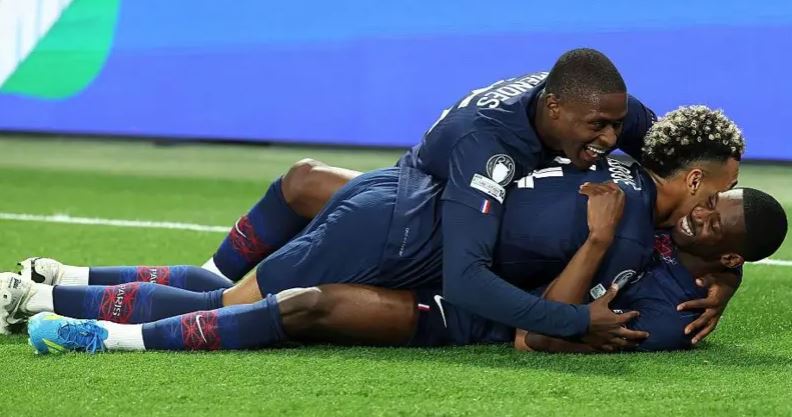
The UEFA Champions League has long been the stage for football’s most intense, tactical, and high-pressure encounters. In recent years, however, those matches have often leaned toward caution: carefully managed contests where structure outweighs spontaneity. That is why the recent semifinal between Paris Saint-Germain and Bayern Munich, a breathtaking 5–4 thriller, has sparked a compelling debate: could this record-breaking clash be the antidote to modern football?
At first glance, the numbers alone are astonishing. Nine goals made it the highest-scoring semi-final in Champions League history, with records tumbling throughout the match. But statistics only tell part of the story. What truly set this game apart was its relentless energy and attacking intent. Both teams played with an urgency and freedom rarely seen at this stage, producing a contest described as “breathless” and “relentless” in pace.
Modern football, particularly at the elite level, has evolved into a game of control. Coaches prioritize shape, pressing systems, and minimizing risk. Matches often resemble strategic battles where a single mistake can decide the outcome. While this approach has improved efficiency and consistency, it has also led to criticism that the game is becoming predictable and overly cautious.
This semi-final felt like a rebellion against that trend. Instead of cautious buildup and rigid defensive lines, both sides attacked with ambition. Leads changed, momentum swung wildly, and defensive vulnerabilities were exposed. Paris Saint-Germain surged to a 5–2 lead, only for Bayern Munich to fight back and nearly level the score. The game never settled; it constantly evolved, keeping players and fans on edge.
What made the match especially significant was how it reintroduced unpredictability. In modern football, control is often seen as the ultimate goal. Teams aim to dominate possession, restrict space, and dictate tempo. But this game showed that losing control does not necessarily mean losing quality. In fact, the chaos created space for creativity, individual brilliance, and moments of improvisation.
There is also a psychological element to consider. In high-stakes matches, fear of making mistakes can lead teams to adopt conservative strategies. Players become risk-averse, prioritizing safety over expression. Yet in this semi-final, both teams seemed liberated from that fear. They embraced risk, and in doing so, produced a spectacle that felt raw and authentic.
Importantly, this does not mean that modern tactics are flawed. The evolution of football into a more analytical and structured sport has raised standards across the board. Defensive organization and tactical discipline remain essential for long-term success. However, this match suggests that the balance may have shifted too far toward control at the expense of excitement.
From a fan’s perspective, games like this are invaluable. Football’s global appeal lies not just in its quality but in its drama. A 0–0 draw filled with tactical nuance may be appreciated by purists, but it rarely captures the imagination of a wider audience. In contrast, a 5–4 thriller becomes an instant classic talked about, replayed, and remembered for years.
The commercial and cultural impact is also significant. Spectacular matches attract new fans, generate global conversation, and reinforce football’s identity as an unpredictable, emotional sport. This semi-final, described as one of the most thrilling in recent history, reminded audiences why they fell in love with the game in the first place.
Ultimately, the question remains: Is this the future, or just an exception? It is unlikely that teams will abandon tactical discipline entirely. But this match may encourage a shift in mindset, especially in big games. Coaches might allow more freedom, players might take more risks, and fans may demand more entertainment.
In many ways, this record-breaking semi-final acted as a mirror, reflecting what football can be when it embraces both structure and spontaneity. It did not reject modern football; it challenged it. And in doing so, it offered a glimpse of a more balanced, more exciting version of the game.
If football can learn anything from this extraordinary night, it is that sometimes, letting go of control can produce something truly unforgettable.