
Posted on December 10, 2025
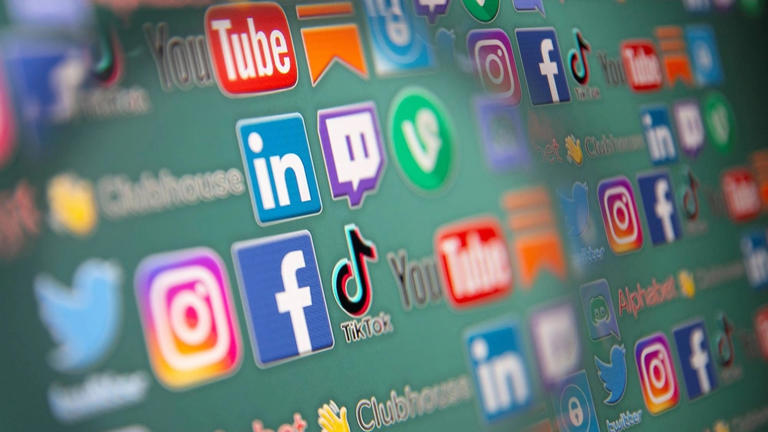
Australia has made history by enforcing a nationwide ban on social media access for children under 16 a move that many experts believe could trigger similar regulations worldwide. Beginning December 10, 2025, major platforms including Facebook, Instagram, TikTok, YouTube, Snapchat, X (Twitter), Reddit, Twitch, Threads, and Kick must block under-16 users or face steep penalties.
This bold step has placed Australia at the center of the global debate on child safety, digital well-being, and the future of social media regulation.
📜 What the New Law Says
The ban falls under the Online Safety Amendment (Social Media Minimum Age) Act 2024, which updates Australia’s existing online-safety rules. Under this law, platforms must:
They must take “reasonable steps” to detect and remove existing under-age accounts and stop new ones from being created.
Non-compliant platforms can be fined up to A$49.5 million among the toughest penalties globally.
While traditional social networks are the first targets, the law may expand if under-16 users shift to other apps or websites.
Why the Change?
Officials cite evidence showing that most children surveyed had faced online dangers such as:
- Cyberbullying and hateful content
- Harassment and grooming risks
- Exposure to violent or explicit media
- Unauthorized sharing of private information
These findings strengthened the government’s argument for stricter protections.
🧑🤝🧑 Immediate Changes and What Users Will Notice
With the law active, millions of teens across Australia are already experiencing changes:
Users under 16 are receiving deactivation notices as platforms begin mass account reviews.
Any profile belonging to an under-age user must be deleted, even if it was created years ago.
Some platforms still allow content viewing without logging in, but minors cannot post, comment, message, or upload content.
Messaging apps, certain games, and educational platforms are not included though they could be added in future updates.
✅ Why Supporters Believe the Ban Is Necessary
Supporters argue the features that make social media addictive endless scrolling, algorithm-driven content, and quick validation can be especially harmful to minors. The ban aims to reduce exposure to cyberbullying, predators, and self-harm content.
Lawmakers highlight rising concerns around poor sleep, anxiety, and declining academic performance linked to excessive phone use. Limiting social media access may improve real-life engagement and emotional health.
Since this is the first nationwide under-16 ban in the world, observers believe it could influence other countries to introduce stricter age-based regulations.
⚠️ Why Critics Are Concerned
Not everyone supports the ban. Major criticisms include:
Teens may bypass the rules using fake IDs, VPNs, or alternative platforms potentially pushing them into unsafe, unregulated spaces.
Age-verification could involve biometric scans or ID uploads. Critics warn this may create new risks such as data breaches or excessive tracking of minors.
Blocking social media access entirely may reduce opportunities for creativity, learning, and social connection skills considered essential in modern digital life.
Some experts argue the ban won’t automatically improve mental health. Offline stressors remain, and social isolation may increase for some teens.
🌍 Global Implications: Why the World Is Watching
Australia’s ban acts as a real-world test of strict social-media controls. Globally, governments are already exploring similar measures due to rising concerns about:
- Teen mental health
- Online safety
- Data protection
- Big Tech accountability
What could happen next worldwide?
- More countries may copy Australia if the ban proves effective.
- Age-verification systems may become standard across major platforms.
- Bigger debates on parental control vs. state control are expected.
- Global rules for minors on social media may emerge for the first time.
Regardless of the outcome, Australia has pushed the conversation into new territory.
🧭 What to Watch Moving Forward
Key areas to monitor in the coming months include:
- How platforms verify ages and enforce the ban
- Whether teens migrate to unregulated apps
- Changes in cyberbullying or mental health data
- Legal challenges around privacy and rights
- Global responses from governments and tech companies
Final Thoughts
Australia’s under-16 social media ban marks a turning point in online safety regulation. By drawing a firm line, the country has forced the world to reconsider how young people interact with technology. Whether this becomes a model for global change or a cautionary tale will depend on how effectively the ban is enforced and how teens adapt in the months ahead.