
Posted on April 22, 2026
World Earth Day, celebrated every year on April 22, is one of the most important global events dedicated to environmental protection and sustainability. In 2026, this day carries even greater urgency as the world faces escalating challenges such as climate change, biodiversity loss, pollution, and resource depletion. Observed by over a billion people across more than 190 countries, Earth Day is not just a symbolic occasion—it is a powerful reminder of humanity’s collective responsibility to protect the planet.
Theme of World Earth Day 2026
The theme for World Earth Day 2026 is “Our Power, Our Planet.” This theme emphasizes the role of individuals, communities, governments, and organizations in shaping a sustainable future.
At its core, the theme highlights three key ideas:
- Collective responsibility: Environmental protection is not the duty of a single authority; it requires participation from everyone.
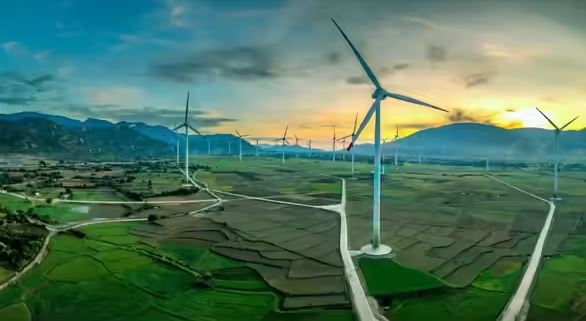
- Transition to renewable energy: The theme encourages accelerating the shift from fossil fuels to cleaner energy sources like solar and wind power.
- Empowerment through action: Small everyday actions—such as conserving water, reducing waste, and planting trees—can create a large cumulative impact.
The message is clear: the power to protect the Earth lies in our hands, and every action matters in building a healthier planet.
History of Earth Day
The origins of Earth Day date back to 1970 in the United States, during a time when environmental concerns were gaining attention but lacked a unified movement. U.S. Senator Gaylord Nelson initiated the idea after witnessing the devastating effects of environmental disasters like the 1969 Santa Barbara oil spill.
On April 22, 1970, around 20 million Americans participated in rallies, protests, and educational events to demand stronger environmental protections. This marked the birth of the modern environmental movement.
Key milestones in Earth Day history include:
- 1970: First Earth Day observed in the U.S.
- 1990: Expanded globally, involving over 140 countries
- Present: Celebrated worldwide, engaging over 1 billion people annually
Over the decades, Earth Day has evolved into the world’s largest civic observance, inspiring policies such as clean air and water regulations, as well as global environmental awareness campaigns.
Significance of World Earth Day 2026
Earth Day 2026 holds special significance due to the growing environmental crisis facing the planet. Rising global temperatures, extreme weather events, deforestation, and pollution are becoming more visible and impactful in everyday life.
The importance of this day can be understood in several ways:
1. Raising Awareness
Earth Day educates people about environmental issues such as climate change, plastic pollution, and biodiversity loss. It helps individuals understand how their actions affect the planet.
2. Encouraging Action
From tree-planting drives to clean-up campaigns, Earth Day motivates communities to take practical steps toward sustainability.
3. Promoting Policy Change
Historically, Earth Day has influenced environmental legislation and continues to push governments and corporations toward accountability and sustainable practices.
4. Inspiring Global Unity
Earth Day unites people across cultures, nations, and generations with a shared goal—protecting the Earth for future generations.
5. Addressing Climate Urgency
In 2026, the focus on renewable energy and community-driven solutions reflects the urgent need to combat climate change and reduce dependence on fossil fuels.
How Earth Day is Celebrated
Earth Day is marked by a wide range of activities across the globe. These include:
- Tree plantation drives
- Community clean-up campaigns
- Environmental awareness programs in schools and colleges
- Social media campaigns promoting eco-friendly habits
- Corporate sustainability initiatives
Many individuals also take personal pledges, such as reducing plastic use, conserving water, or switching to sustainable products.
Earth Day and the Future
The theme “Our Power, Our Planet” reflects a shift in thinking—from viewing environmental protection as a distant goal to recognizing it as an immediate necessity. It stresses that real change comes from consistent, everyday actions taken by ordinary people.
In the coming years, Earth Day is expected to play an even more critical role in:
- Promoting renewable energy adoption
- Encouraging sustainable lifestyles
- Driving innovation in environmental solutions
- Strengthening global cooperation on climate action
As environmental challenges grow, so does the importance of collective action.
Conclusion
World Earth Day 2026 is more than just an annual observance it is a global call to action. With the theme “Our Power, Our Planet,” it reminds us that the responsibility of protecting the Earth lies with each one of us. From small daily habits to large-scale policy changes, every effort contributes to a healthier and more sustainable future.