
Posted on August 5, 2026
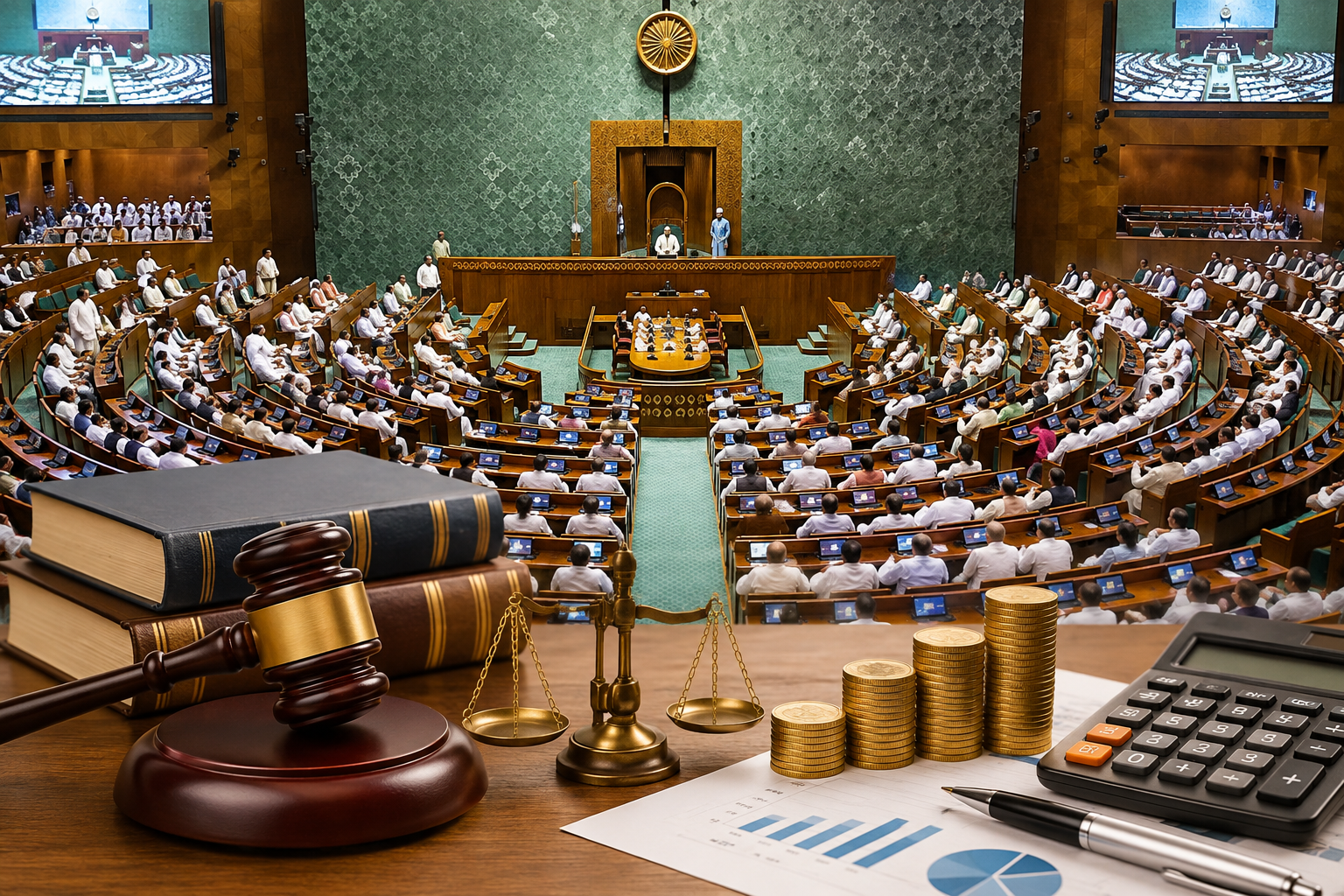
However, the Monsoon Session of Parliament 2026 did not end here, with yet another hectic day when the Lok Sabha considered two bills having major repercussions on the financial system of India which could affect the banking industry, taxations as well as the overall investment atmosphere in the nation. In the 13th day of the Monsoon Session of the parliament, lawmakers discussed the two bills namely Bankers’ Books Evidence Bill, 2026 and Taxation and Other Laws (Amendment) Bill, 2026.
While the government underlined the necessity of making certain laws relevant, the debate was interrupted by the opposition parties owing to several political concerns.
Parliament Focuses on Modernizing Banking Laws
One of the key points to be noted about Day 13 was the proposal of the Bankers’ Books Evidence Bill, 2026 to amend the current Bankers’ Books Evidence Act, 1891 that was passed during the British regime.
Since then, over the course of one century, Indian banks have seen many changes. They have moved from handwritten ledgers to databases that operate on electronic documents and records, from online transactions to cloud computing and many more changes. The law concerning banking evidence hasn’t really followed this transformation.
The new law is an effort towards making the legal recognition of banking documents and record-keeping in the form of digital format, electronic format and even cloud-based records in courts. It will help in simplifying any kind of investigation in connection with a financial transaction while also easing the administrative task of keeping physical records.
It also fits into the government’s Digital India policy.
Why the Bankers’ Books Evidence Bill Matters
There are various positive aspects that can be obtained through the implementation of these reforms in India.
Some of them are as follows:
- The possibility of accepting the digital documentation provided by the banks in a legal manner
- A more efficient judicial process in the cases dealing with banking
- Efficiency in the processes of paperwork
- Development of digital banking
- Proper legal environment in line with the technologies of today
Since digital payments, mobile banking, and financial technologies develop throughout the country, there is a need to amend the current legislation.
Amendment to Taxation and Other Laws Bill in the Spotlight
Besides the other issues discussed by the Lok Sabha is the Taxation and Other Laws (Amendment) Bill, 2026. The government stated that the bill would be very helpful in making India’s tax system better and would attract investments and economic growth at the same time.
The bill has been designed with a number of changes aimed at offering more clarity to the taxpayers, companies, and investors. In addition, the bill substitutes some of the ordinances adopted in the past.
As per the information provided by the government, the changes are meant to increase predictability and transparency of India’s tax system.
The major aims of the bill include:
- Investor confidence
- Strengthening India’s electronics manufacturing industry
- Ensuring tax certainty for qualifying investors
- Clarifying certain tax related laws
- Economic growth in the long run
It is hoped that these measures will be supportive of the overall economic policy of the Indian government geared towards encouraging investments, whether local or foreign, in the country through programs like Make in India.
A Push toward a Digital and Investment-Friendly Economy
Day 13’s bills show the continuing attempt by the government to ensure that India’s regulatory regime is kept up to date.
As services related to finance become more digital, it becomes necessary for them to have laws that can support electronic records keeping and transactions and compliance mechanisms. Likewise, the investment community will be able to make investments only if there are clear and consistent tax rules.
In this way, the government seeks to improve the ease of doing business in India while simultaneously keeping its legal framework updated.
It is expected that such measures would build up the confidence of financial service providers, businesses, entrepreneurs, and investors intending to invest in India.
Opposition Protests Continue During the Session
While legislation was the main theme of the day’s events, there were many instances where politics took center stage as well.
Opposition leaders expressed their grievances on different issues facing the country, which led to demonstrations within the two houses of parliament. Several debates were interrupted briefly before parliamentary work could resume.
However, despite all the political drama, the government managed to introduce and debate many significant bills, proving its determination to finish its legislative business before the end of the Monsoon session.
Political and policy debates are usually combined in the parliament sessions, and Day 13 was no exception.
What These Reforms Could Mean for Citizens and Businesses
While both the bills target legislation and financial systems, their effects could also go beyond governmental institutions.
- For banks, new laws related to evidences will make it easier for them to comply with legal aspects and increase the efficiency of dealing with lawsuits.
- For companies, well-defined taxation will eliminate uncertainties and help with the budgeting process.
- For investors, the stable tax legislation will create incentives for investment in the Indian growing economy.
- Finally, for consumers, improved legislation on digital banking will make a contribution to a better financial environment as the digital transactions become common.
Though the bills have to go through all stages of parliamentary discussion to be adopted, it is already a significant step for modernization of the Indian legal system.
What Happens Next?
Both the Bills, The Bankers’ Books Evidence Bill, 2026 and The Taxation and Other Laws (Amendment) Bill, 2026, will keep moving ahead with the legislative process, which includes further debate, consideration, and approval from both Houses followed by Presidential assent.
There would be much interest in how the two Bills evolve through the legislative process since their final versions may influence the Indian financial and regulatory environment in the coming years.
Since there are many significant Bills that are pending discussion in the coming days of the Monsoon Session, the rest of the Monsoon Session is likely to be politically lively, but economically focused.
Final Thoughts
The 13th day of the Parliament Monsoon Session 2026 emphasized the government’s determination to update India’s economic and legal structure by bringing in some key banking and taxation reforms. Although political unrest due to opposition protests has continued to reign, there have been proposals in legislation that seek to modernize the old laws, ensure digital governance, and make the country a better place for foreign investments. The implementation of these proposed reforms will certainly contribute positively to the digital economy of India, increase legal efficiency, and bring about transparency in regulations.
Keep yourself informed about all that is happening during the Parliament Monsoon Session 2026 by reading our website.