
Posted on February 7, 2026
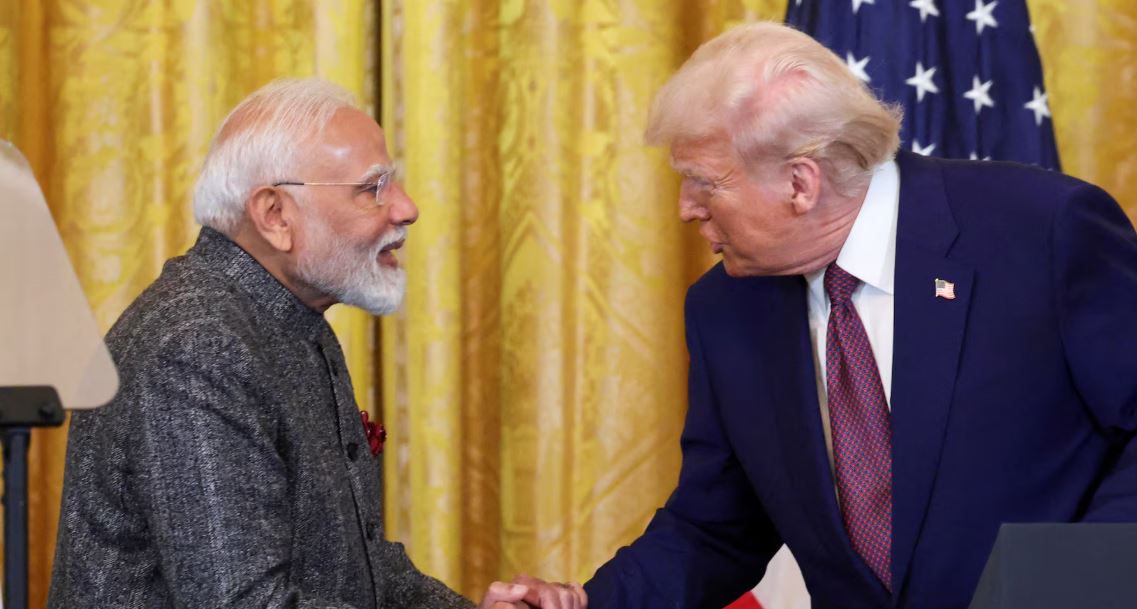
The United States and India have reached another milestone in their evolution of a strategic economic partnership with this new trade agreement that provides for both tariff reduction and increased access to each other’s markets. Under this agreement, India will receive concessions on “national security” tariffs imposed by the United States on metals, automobiles and pharmaceuticals and has agreed to increase its imports of U.S. soybean oil, industrial goods and certain types of agricultural goods.
This is another example of two countries that are working pragmatically in concert to address both of their commercial concerns with other larger, more important issues.
Tariff Relief for Key Indian Sectors
The most important part of the agreement is that US national-security tariffs that have affected Indian exports for many years will eventually be lifted. Under national security laws that aim at protecting US critical industries, these tariffs forced Indian manufacturers to incur greater expense and lose competitive advantage to US manufacturers for exports in industries such as steel, aluminum, auto components and pharmaceuticals.
From India’s perspective, these significant concessions will allow Indian companies to obtain numerous benefits. Due to India’s significant number of employees in these two industries, metals and automobile sectors create the foundation for further manufacturing-development in India and for advancing India’s goals related to the “Make in India” initiative and exports-led growth.
Additionally, the Indian pharmaceutical industry generates billions of dollars through export trade because Indian firms have a very large position in the global supply chain for healthcare products.
With the concessions achieved by India, Indian exporters will receive much better access to the US market, much better price competitiveness and a much better predictable trading environment.
What the US Gains in Return
India has also committed itself to increasing its purchase of US products such as soybeans; however, this is not the only benefit to the US. With soybeans being the most popular oil used in cooking, India is using its large volumes of imported Soybean Oil (to be later converted into cooking oil) to help feed its growing population.
The increased access to the Indian market for American Farmers and Agribusinesses provides American Farmers/ Agribusinesses with additional revenue streams during what is otherwise a turbulent time for global Agricultural trade due to climate change as well as demand shifting worldwide as people switch to alternative sources of protein.
The growth of the Indian market will also benefit American Industrial exports and allow US manufacturers to increase their industrial presence within one of the world’s fastest growing major economies.
From Washington’s perspective quick growth for US producers and expands trade relationships with one of Washington’s most important strategic/trade partners in the Indo-Pacific region.
Strategic and Geopolitical Implications
The strategic aspect of the agreement is just as important as the economic aspect. India and the United States have been deepening their ties in areas like defence, technology, and resilience in their supply chains. The potential for trade disputes — particularly those involving Tariff-related issues framed in terms of national security — could have strained the overall relationship between the two countries.
Thus, by negotiating a resolution, both sides have demonstrated that they are willing to work through their areas of disagreement with dialogue rather than through escalation. The agreement also represents the common goal of both parties to reduce their dependency on any one market and to build stronger partnerships around trustworthy trade.
Impact on Indian Consumers and Industry
With the increase in imports of soybean oil and agricultural products, Indian consumers may see more price stability in domestic markets that are frequently disrupted by global supply disruptions. For industry, tariff relief also reduces barriers to export and encourages investment particularly in manufacturing and value-added products.
The challenge for domestic producers will be to balance the benefits of having access to export markets with the competitive challenges posed by increased competition from imported products. We can expect policymakers to ensure that imported products complement, not conflict with, the local industry.
A Step Toward Deeper Trade Integration
While the agreement between the US and India is not a traditional free trade agreement, it is a step forward towards greater economic integration. The agreement shows that focused concessions and reciprocal market access can help resolve long-standing trade tensions without having to make sweeping and politically unpopular reforms.
The agreement represents how as trade continues to be influenced by strategic considerations, these types of agreements are representative of how the world of economic diplomacy is changing and how goods, services, and geopolitical factors are all becoming intertwined.
The US and India view this agreement as more than just a transactional deal, but rather as a commitment to continue to create a stable and mutually advantageous trading partnership in an unpredictable global market.