
Posted on November 29, 2025
Inflation has dropped sharply
India’s Consumer Price Index (CPI) inflation fell to a record low of 0.25% in October. This decline was largely due to falling food prices and GST-related tax reductions on several consumer goods. Together, these factors have created an unusually calm inflation environment.
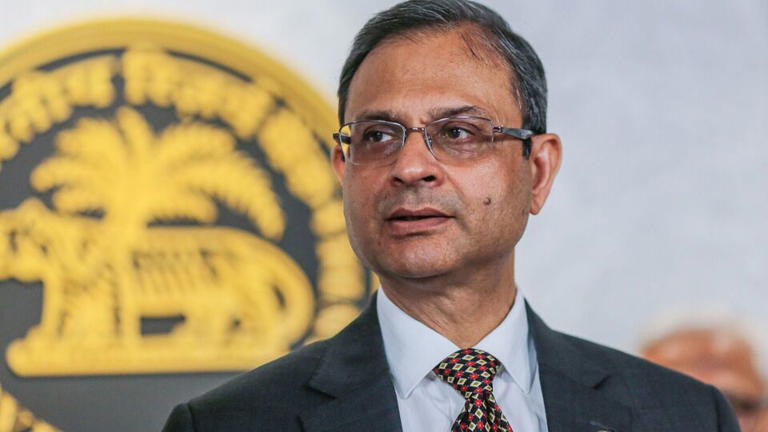
Governor Malhotra also recently stated that none of the new economic indicators suggest the need to hold back on a rate cut.
Previous rate cuts haven’t fully flowed through
Between February and June 2025, the MPC slashed the repo rate by a total of 100 basis points. While banks have reduced lending rates by about 58 basis points since then, economists believe the complete impact is still unfolding. A further rate cut could speed up lending activity and encourage more investment.
Growth remains soft and consumption is weak
Even though the economy is growing, domestic demand and consumer spending have been relatively slow. Lower borrowing costs can help boost credit, motivate small businesses to invest, and revive demand across key sectors such as housing, automobiles, and consumer goods.
What a Repo Rate Cut to 5.25% Means for You
If the repo rate drops to 5.25%, banks will be able to borrow from the RBI more cheaply. This often leads to:
- Reduced interest rates on home, auto, and personal loans
- Lower EMIs for existing borrowers
- More affordable credit for businesses
For consumers, this means extra savings each month. For SMEs and corporates, cheaper loans can support expansion, hiring, and new projects.
At a broader economic level, a lower repo rate can boost credit growth, lift consumer spending, and strengthen sectors that depend heavily on financing especially important in a global environment full of uncertainties.
What the MPC Will Consider Before Cutting Rates
Volatile food prices
Despite overall cooling inflation, food inflation remains unpredictable. Prices of vegetables, pulses, and cereals can rise suddenly due to weather conditions, supply shortages, or climate-related disruptions. A sharp rise could slow down the pace of monetary easing.
Currency pressure and external risks
The Indian rupee has recently weakened against the US dollar, pushing up import costs. This could limit the MPC’s room to cut rates aggressively, as it may increase inflationary pressures.
Slow transmission of earlier rate cuts
Even if the RBI reduces rates, the benefits for borrowers depend on how quickly banks adjust their lending rates. Since this process has been slow this year, the full impact of another rate cut might take additional time to reflect in the economy.
Who Stands to Gain the Most?
A rate cut would show that the RBI is prioritizing growth and credit over tight monetary conditions. Those who will benefit the most include:
- Homebuyers and existing borrowers — with the possibility of lower EMIs
- SMEs and businesses — with easier and cheaper access to loans
- Sectors dependent on consumer demand — like real estate, automobiles, and durable goods industries
Lower interest rates could increase sales, encourage investment, and stimulate overall demand.
Final Thoughts
With inflation cooling, food prices easing, and growth still needing support, the RBI appears well placed to announce another repo rate cut in December.
However, the MPC led by Governor Sanjay Malhotra will carefully weigh the benefits of easing against risks like food price volatility, currency pressure, and slow transmission. The success of the rate cut will ultimately depend on how effectively it boosts real economic activity and credit flow.