
Posted on August 21, 2025
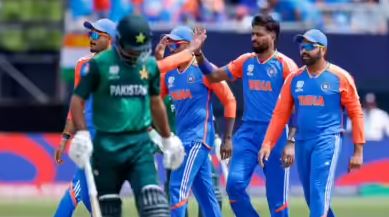
On August 21, 2025, the Indian government reaffirmed its long-standing policy: no bilateral sporting events with Pakistan will be permitted. However, Indian teams will still be allowed to compete against Pakistan in multilateral events such as the upcoming Asia Cup.
Government’s Stand on Bilateral Ties
The Sports Ministry reiterated that there will be no bilateral sporting engagements between India and Pakistan. This means Indian teams will neither travel to Pakistan nor host Pakistan in any bilateral series.
This policy, consistent with India’s broader diplomatic stance, aims to prevent direct sports diplomacy amidst ongoing political tensions. However, the restriction explicitly excludes multilateral tournaments governed by international bodies, such as the Olympics, World Cups, and regional competitions.
Asia Cup Still On Track
A ministry source confirmed that the Indian men’s cricket team will be permitted to compete in the Asia Cup. Organized by the Asian Cricket Council, this tournament is a multilateral event and thus falls outside the scope of the bilateral ban.
This year’s Asia Cup will adopt the T20 International format, running from September 9 to 29, with highly anticipated India‑Pakistan matches scheduled for September 14, and potentially September 21, in Dubai, before culminating in a final on September 29.
Context: The Long Hiatus Since Last Bilateral Series
India and Pakistan last played a bilateral cricket series during the 2012–13 season. Since then, all encounters between the two teams have taken place exclusively in multilateral tournaments and mega sporting events.
India notably declined to travel to Pakistan for the Asia Cup in 2023 and the Champions Trophy in 2025, citing security reasons. These tournaments were subsequently shifted to neutral venues. Meanwhile, Pakistan’s hockey team opted out of participating in an upcoming Asia Cup Hockey tournament hosted in India at Rajgir.
Domestic Voices & Political Backdrop
The decision comes amid heightened tensions between the two nations, especially in the aftermath of the Pahalgam terror attack, which claimed 26 lives and prompted the launch of Operation Sindoor, aimed at dismantling terror infrastructure across the border.
In the domestic sphere, several former Indian cricketers and public figures urged the men’s cricket team to boycott the Asia Cup matches against Pakistan. Despite these appeals, the government chose to uphold the principle of separation between sport and politics—at least in multilateral contexts.
A Dual-Pronged Sports Policy
The Sports Ministry clarified the dual nature of its sports diplomacy policy:
- Bilateral Restriction: No sporting events—cricket or otherwise—will be conducted between India and Pakistan under bilateral arrangements.
- Multilateral Participation: India will continue to engage in international sporting events governed by recognized bodies, regardless of participating teams, as long as the context is non-bilateral.
Moreover, the ministry highlighted India’s emergence as a credible cricketing and international sporting venue, emphasizing the need to streamline the visa process for the smooth flow of athletes, officials, and sports administrators.
To bolster this ambition, India has committed to providing multi-entry visas—valid for up to five years—for office-bearers of international sports bodies, alongside expedited access for sportspersons and technical teams. This is aimed at fostering a more efficient and welcoming environment for international sports events hosted in India.
Conclusion
India’s reaffirmed policy of no bilateral sporting ties with Pakistan remains intact, aligning with its broader foreign policy posture. Yet, by allowing Indian cricket teams to participate in the Asia Cup, the government continues to separate sports from politics—albeit under frameworks that ensure neutrality and continuity of competition.
As the Asia Cup approaches, fans can look forward to high-stakes India‑Pakistan clashes on an international stage, even though the two countries remain off-limits to each other under bilateral arrangements.