
Posted on May 2, 2026
Cervical cancer has been one of the leading causes of cancer-related mortality among females; however, today, cervical cancer is more likely to be prevented than ever before, and it is unique in that it has the potential to be globally eradicated or eliminated. According to a recent investigation, the remaining cases of cervical cancer could be eradicated very quickly in many high-income nations by 2048 if the necessary efforts are made, but unfortunately, the same cannot be said for low-income nations, where more work is needed to reduce the burden of this condition.
A Preventable Disease with Unequal Outcomes
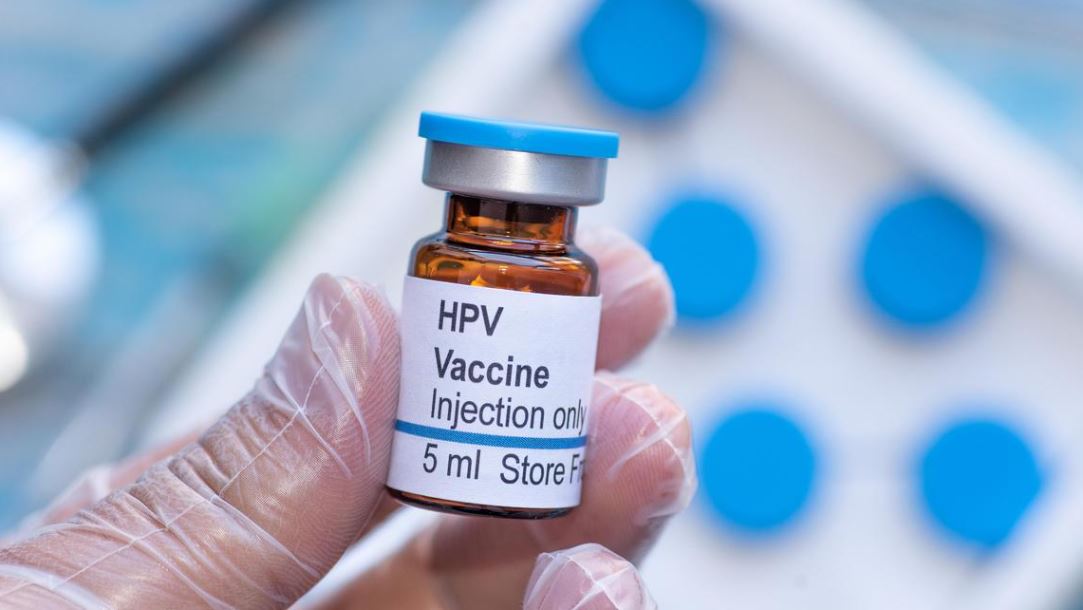
High-risk types of HPV (Human Papillomavirus) are responsible for 99% of all cervical cancers. HPV is a sexually-transmitted virus. Vaccination against HPV and early screening are effective methods of preventing cervical cancer.
Rich countries have a high uptake of HPV vaccination, regular screening, and increased access to healthcare, all of which have resulted in decreased incidence and mortality rates due to cervical cancer. Rich countries will meet the elimination threshold for cervical cancer at a rate of fewer than four cervical cancers per 100,000 women.
Why Rich Nations Are Ahead
High-income nations are able to eliminate cervical cancer in their populations through strong health systems and adoption of early prevention methods. All of these countries had the HPV vaccine introduced many years ago and have been able to vaccinate a large proportion of adolescents. Organised screening programmes provide pre-cancer detection so that treatment is provided at an appropriate time.
It has been estimated from the research that some of the developed nations will be able to achieve cervical cancer elimination prior to 2048 by maintaining screening and vaccination rates effectively.
The Growing Gap in Low-Income Countries
While the outlook is promising for richer nations, the situation is starkly different in low- and middle-income countries (LMICs). According to global health data, nearly 90–94% of cervical cancer deaths occur in these regions
Cervical cancer is typically preventable; however, women living in poorer countries are more likely to have their disease diagnosed later and die from it than those in wealthier nations. The study also cautions that if trends remain the same, these countries will experience only small declines in the number of cases diagnosed over the next 100 years.
Global Efforts to Close the Gap
The World Health Organization (WHO) has identified that a significant difference exists between how many people die from cervical cancer in developed versus developing countries. WHO has launched a worldwide plan in an attempt to remove cervical cancer as a public health concern. The focus of this plan is focused on three major objectives to achieve by 2030; vaccinating 90% of girls against HPV, screening 70% of women and providing treatment to 90% of women diagnosed with cervical cancer.
Accomplishing these three objectives on a worldwide basis will reduce the burden of disease, and also help close the gap between rich and poor nations through greater access to healthcare. Achieving these targets will depend on additional funding for vaccine purchase, improving healthcare delivery systems, and global cooperation.
The Road Ahead
Eliminating cervical cancer in some areas will be an important milestone for public health. The achievement shows what can happen when science, policy and healthcare work together. Nevertheless, it also serves to highlight an important issue – global health inequities.
Cervical cancer could soon belong to lower income countries if nothing is done to address this issue of unequal distribution. If there are not major changes to increase access to vaccines, strengthen screening programs and provide appropriate care to those with no or little access to treatment in current underserved areas then cervical cancer will no longer be a global disease but an issue only in the poorest areas of the world and increased health disparities among poorer regions over time.
Conclusion
The elimination of cervical cancer has become more than an idea, as it has turned into reality in at least some of the wealthiest areas of the world. However, for this to be really meaningful, the success achieved in the wealthiest countries must be distributed to all of the countries around the globe. Only when women everywhere will have access to preventative and therapeutic treatment for cervical cancer can we have a future without cervical cancer as a concern for any woman, no matter where she is located.